Improvements

Discount codes redeemable once per customer

You can now limit discount codes to a single redemption per customer. This helps you run promotions more reliably and prevent repeated use by the same person.❓ What it does
  • Adds a new rule in the discount code setup: “Redeemable once per customer”
  • Checks at checkout whether the customer has already redeemed the code before
  • Blocks the code from being applied again if it was used previously by the same customer
  • Works for both newly created and edited discount codes
This gives you tighter control over marketing campaigns, partner deals, and first-time offers, while keeping the checkout experience clear for customers. It reduces unintended discount leakage without changing how customers enter codes.💡 ExampleYou run an “First class discount” campaign for activity bookings. A customer can use the code for their first course booking, but when they book another class later, the code won’t apply a second time.
New Feature

Treatwell Sync: Email Import and Calendar Sync

Treatwell bookings can now flow into anny automatically via email forwarding, while anny bookings can be mirrored back to Treatwell via an ICS calendar link. This creates a reliable, near real-time bidirectional sync with a typical delay of about 30 to 60 seconds.❓ What it does
  • Imports Treatwell bookings into anny through forwarding booking emails to a dedicated anny inbox
  • Updates existing bookings when changes come in, and processes cancellations automatically
  • Prevents duplicates during repeated emails or resend scenarios
  • Matches prepaid information when Treatwell indicates prepayment
  • Handles Treatwell email layout changes more robustly via anny AI parsing
  • Exports anny bookings to Treatwell via an ICS calendar feed so availability stays aligned
  • Improves visibility and reduces manual work across anny Admin and the booking area
Your team can manage bookings centrally in anny without constantly reconciling Treatwell manually. This reduces missed cancellations, double bookings, and time spent copying appointments between systems.💡 ExampleA salon receives a new appointment via Treatwell. The Treatwell confirmation email is automatically forwarded to the dedicated anny inbox, and anny creates or updates the booking including prepaid status. When the salon adds a walk-in or phone booking in anny, it appears in Treatwell via the ICS calendar feed, keeping both calendars aligned with only a short delay.
Improvements

Edit booking form data after booking

Customers can now view and edit the information they submitted via Custom Booking Forms after they’ve made a booking, if you allow it for the Service. This reduces back-and-forth and saves admins time.❓ What it does
  • Adds a per-Service setting in anny Admin to allow or disallow post-booking edits of Custom Booking Form data
  • Shows submitted form answers in the booking overview in the booking area (web)
  • Enables customers to update those form answers directly from the booking overview (web)
  • mApplies to web only for now (mobile app not included in the first release)
Fewer support requests and less manual correction work for admins, while customers can keep their booking details accurate on their own. This is especially helpful when participant details or additional information change after the initial booking.💡 ExampleSomeone books a room for a workshop and later notices a wrong participant name or missing dietary info submitted in the form. Instead of contacting the admin, they open their booking overview on the web, edit the form details, and the booking stays up to date.
New Feature

Flexible Price Modifiers per Resource and Child Resource
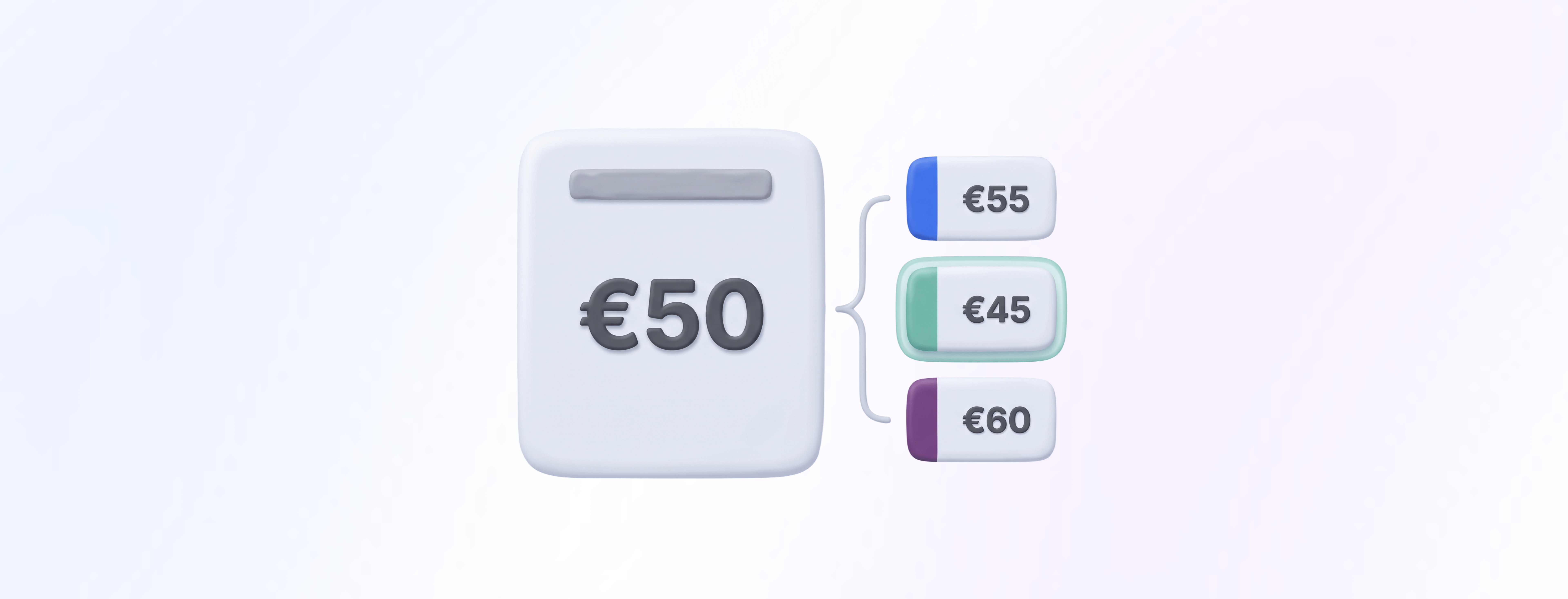
You can now price the same booking option or Service differently depending on the selected resource or child resource. This brings more accurate, transparent pricing without duplicating offers.❓ What it does
  • Lets you define resource-level price modifiers in the anny admin for an existing booking option or Service
  • Supports pricing on child resources (for example seats, zones, or sub-areas within a parent resource)
  • Automatically shows and calculates the correct price in the booking flow based on the selected resource or child resource
  • Keeps the core offer centrally managed while allowing granular pricing where it matters
Teams can model real-world pricing differences (people, places, zones) within one offer, reduce admin overhead, and avoid confusing duplicates. End users see pricing that matches their exact selection, improving clarity and conversion.💡 ExampleA venue offers “Hall Booking” as one booking option, but seats in Zone A cost more than seats in Zone B. With resource and child-resource price modifiers, users pick their seat or zone and anny automatically applies the right price, while you maintain only one booking option.
Improvements

Faster, Smarter anny AI Phone Assistant & Chat

We’ve improved the speed and response quality of the anny AI Phone Assistant and AI Chat. In many relevant cases, replies are now delivered with significantly lower waiting time and better contextual accuracy.❓ What it does
  • Reduces latency for AI responses in chat and phone by up to 50% in relevant cases
  • Improves intent detection and request classification for more accurate answers
  • Delivers more reliable, context-aware follow-ups across both channels
  • Applies to AI-powered touchpoints in the booking flow; related configuration and monitoring can also affect the anny admin area
This makes conversations feel smoother and more dependable, cutting down on drop-offs caused by waiting and reducing the need for manual clarification by your team. Learn more in the help center article (Link will be inserted later).💡 ExampleA customer calls or writes in the chat to ask about an existing booking. Instead of waiting for a slow response or getting a vague answer, they receive a precise, helpful reply much faster, keeping the conversation moving and increasing the chance the booking gets completed.
New Feature

Video Calls built into anny

You can now create and run video meetings directly inside anny. This reduces tool switching and eliminates the need for additional video conferencing licenses or external accounts.❓ What it does
  • Lets you create a video call for an appointment directly in anny
  • Enables starting and hosting the meeting within anny, end to end
  • Works across the key touchpoints where video meetings are managed: Admin area and booking flow
  • Removes the dependency on external video tools and separate user accounts for hosts or participants
This streamlines the entire process from booking to meeting, especially for teams running many consultations, and helps organizations reduce costs and operational friction. For participants, it also means a simpler experience with fewer links, logins, and handoffs.💡 ExampleA university study counseling team offers consultation slots via anny. Students book their appointment in anny and then join the session as a video call directly within anny, without switching to a separate video tool.Find all information in the helpcenter article: https://docs.anny.co/de/articles/754785-anny-videoanrufe
Improvements

Configure invoice language for organizations
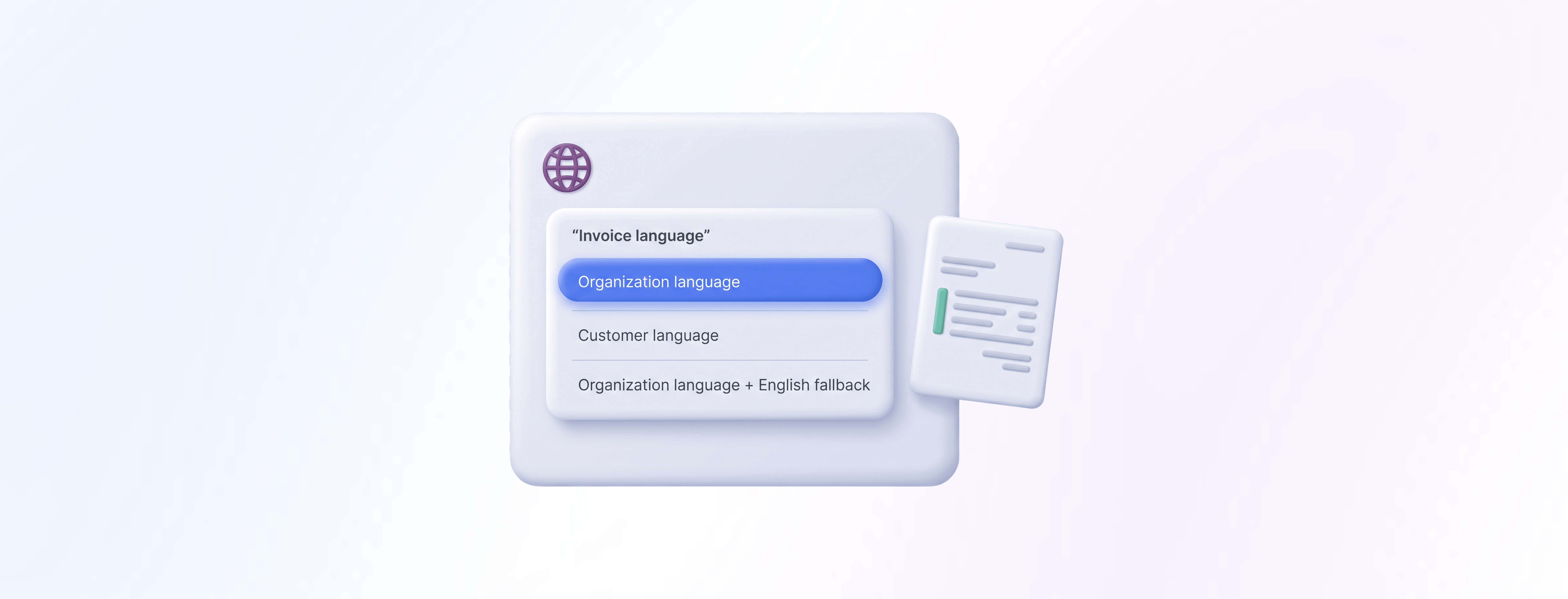
You can now control which language invoices are generated in for your organization. This removes manual rework for international billing and keeps invoice PDFs consistent.❓ What it does
  • Adds a new “Invoice language” setting in anny Admin under Organization settings
  • Lets admins choose one of three options:
  • Always use the organization language
  • Always use the customer language
  • Use the organization language with an English fallback (when a translation isn’t available)
  • Applies the selected language consistently across invoice creation logic, including initial file generation and invoice locking
This makes invoicing predictable for multilingual organizations and reduces back-and-forth and manual adjustments for admins managing international customers.💡 ExampleA German-speaking company uses anny for Room Booking and bills English-speaking customers. With “Customer language” selected, invoices are automatically generated in English for those customers, while German customers still receive German invoices, without any manual editing.
Improvements

Visitor registration without a room booking

You can now register visitors in anny without creating a room booking first. When you use resources from the visitor-registrations category, matching registrations are clearly marked in the participant view.❓ What it does
  • Enables visitor registrations that are independent from any room booking
  • Uses the resource category visitor-registrations to drive the visitor registration flow
  • Shows a user badge icon next to participants when a matching visitor-registrations resource is used
  • Improves clarity in the participant list by tying the badge to the correct visitor registration resources
This makes Visitor Management more flexible and reduces friction for teams who often register external guests without needing a room.💡 ExampleA host wants to register an external guest for an on-site appointment, but no room needs to be booked. They add the guest via the participant registration flow and select a visitor-registrations resource. The guest is saved as a visitor registration and is clearly identifiable via the user badge icon in the participant view.
Improvements

Transfer subscriptions between customers
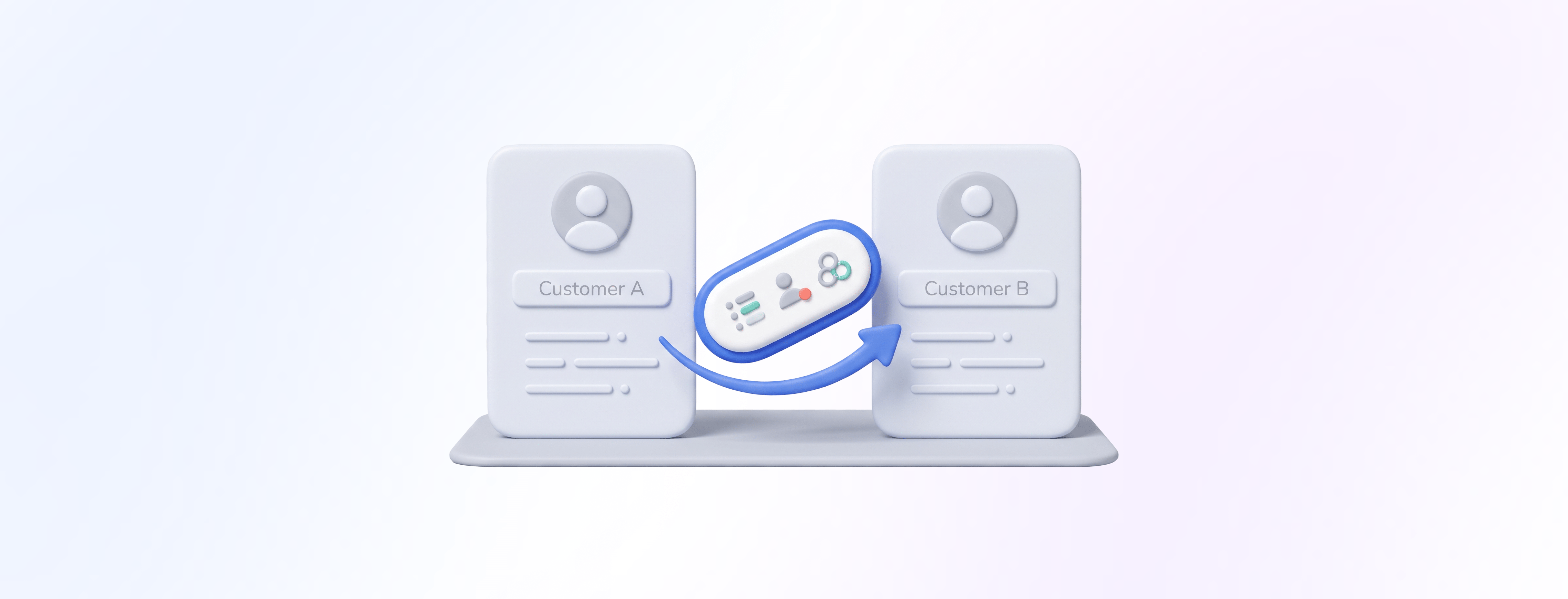
Admins can now transfer an existing subscription from one customer to another within the same organization, without recreating the subscription. This helps keep customer and subscription management clean when responsibilities change.❓ What it does
  • Adds a new “Transfer” action to the subscription detail view in the anny Admin area
  • Lets admins select the target customer within the same organization
  • Enables creating a new customer or editing an existing one during the transfer flow
  • Moves the subscription to the selected customer via a regular update
  • Transfers related entitlements, including quota/contingents, subscriber assignment, and Community memberships
  • Does not automatically transfer payment method and billing email; these remain managed separately
This removes unnecessary manual work and prevents errors that typically occur when admins have to rebuild subscriptions or rewire assignments by hand. It also ensures booking-related access and membership logic continues seamlessly under the new customer.💡 ExampleIf a subscription was initially assigned to Customer A but should now be managed and used by Customer B within the same organization, an admin can transfer it in the subscription details. Quotas, subscriber assignment, and Community memberships move with it, so Customer B can continue booking right away.
New Feature

Start and End Time Filters for Bookings

You can now narrow booking lists by a specific time window, not just by date or other attributes. This makes it much faster to review and evaluate only the bookings that matter for a given operational timeframe.❓ What it does
  • Adds support for filtering bookings by start_time and end_time in booking lists
  • Applies in the anny Admin area and booking area, especially within booking management views
  • Improves the underlying filter logic (and related API mechanisms) so time-based filtering is consistent across lists and integrations
  • Enables more precise operational checks, reporting, and reviews when only a subset of a day is relevant
Admins and operational teams can find relevant bookings faster, reduce manual scanning, and run more accurate checks and evaluations for time-critical workflows. More details are available in the help center article (link to be added).💡 ExampleAn office management team needs to review all room bookings for a specific day between 09:00 and 12:00. With start_time and end_time, they filter the booking list to that window and immediately see only the relevant bookings instead of searching through the entire day.More information can be found in the helpcenter article: https://docs.anny.co/de/articles/454923-adminbenachrichtigungen-in-anny
New Feature

Glutz eAccess Integration for automatic PIN access

With the new Glutz eAccess integration, anny can automatically create and manage time-limited door access for room bookings. This eliminates manual access administration and ensures bookers get the right access at the right time.❓ What it does
  • Connects anny to your Glutz eAccess server via server address, username, and password in the anny Admin area
  • Lets admins create rules that map anny resources to one or more Glutz access points (doors)
  • Supports configurable buffer times (before and after the booking) per rule
  • Optionally enables remote opening (if configured)
  • Automatically creates a separate access for each booking in Glutz with a unique 8-digit PIN code
  • Updates the access time window automatically when a booking time changes
  • Removes the access and PIN automatically when a booking is canceled or deleted
  • Stores no personal data in Glutz, only a booking reference for traceability
This reduces operational workload for operators and makes access more reliable and secure for customers and employees. The result is fewer access mistakes, less back-and-forth, and smoother arrivals.💡 ExampleA user books a meeting room in anny from 10:00 to 11:00. anny automatically generates an 8-digit PIN that works only for the correct door and only from 09:50 to 11:10 (including buffers), then deletes the access if the booking is canceled.
New Feature

Recurring bookings 2.0: series preview and accurate billing
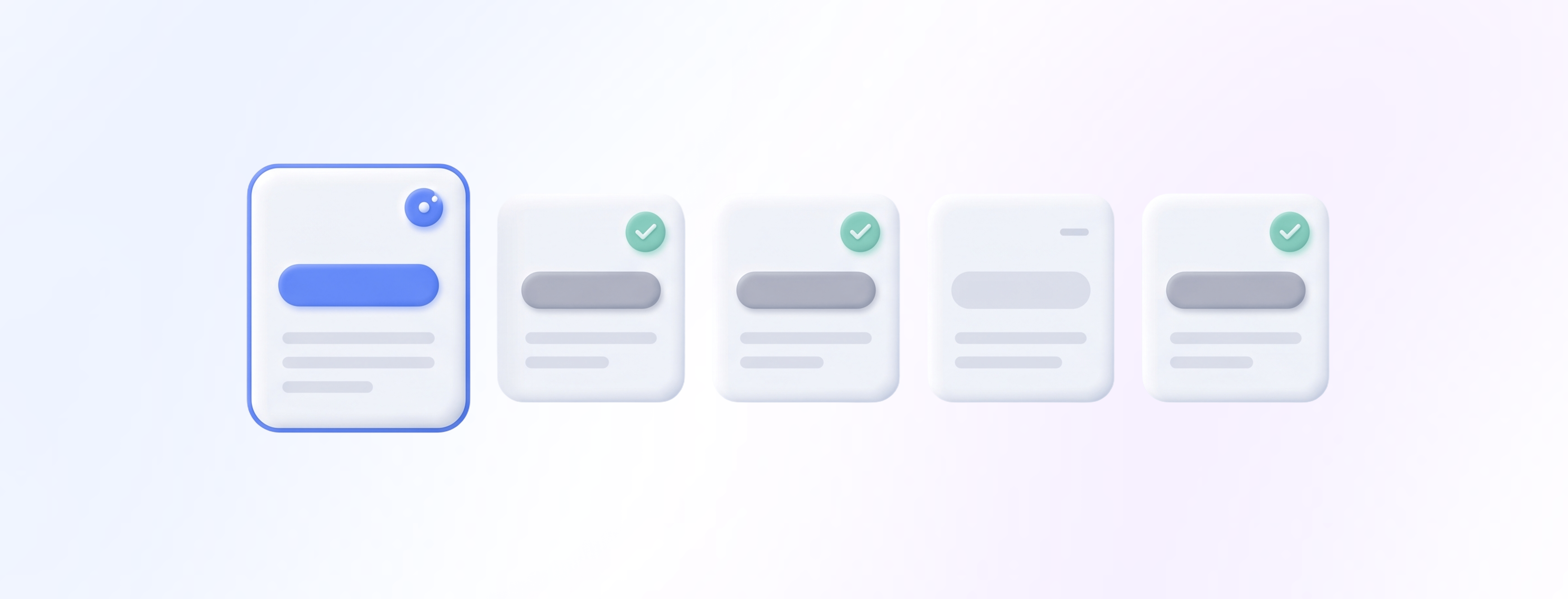
Recurring bookings are now represented as a clear series with an anchor booking and individual follow-up appointments, including a richer per-appointment preview and rules for availability and billing. This makes it easier for admins and customers to understand what gets copied, checked, and charged for every occurrence.❓ What it does
  • Models recurring bookings as a series with one anchor booking plus individual occurrences
  • Supports both predefined fixed date series and customer-configured recurrence rules
  • Lets customers define frequency, interval, weekdays or monthly patterns, duration, and an end condition (end date or unlimited)
  • Applies payment logic: unlimited series are only possible with pay-later; end date is required for immediate or prepaid bookings
  • Checks availability for every single occurrence before booking and shows a per-date preview (including a summary like “12 of 15 available”)
  • Books available occurrences even if some dates are unavailable; unavailable dates are skipped
  • Carries the full booking content per occurrence: resource, time range, customer, pricing, add-ons, additional resources, quota consumption, discounts and price adjustments
  • Copies notes, description, and customer instructions from the anchor booking to the occurrences
  • Supports managing existing series: edit after creation, extend automatically, cancel partially or fully
  • Handles billing per offer: either one combined invoice for the series or per-appointment billing (only the next occurrence is charged)
Admins and customers get predictable recurring bookings with fewer surprises: every occurrence is validated, the right add-ons and resources carry over, quotas are consumed correctly, and pricing and billing follow the offer’s rules. Customer Success can also explain recurring behavior more consistently because the series logic is now fully visible.💡 ExampleA customer books a room every second Tuesday until December 31. anny creates the series automatically, checks each Tuesday for availability, skips dates that are blocked, and still books the available ones. Add-ons (like equipment) and extra resources are applied to each booked date, and billing happens either once for all appointments or step-by-step per appointment, depending on the offer.More information can be found in the helpcenter article: https://docs.anny.co/de/articles/108497-wiederkehrende-buchungen
Improvements

Shipping options and fees for packages and value vouchers
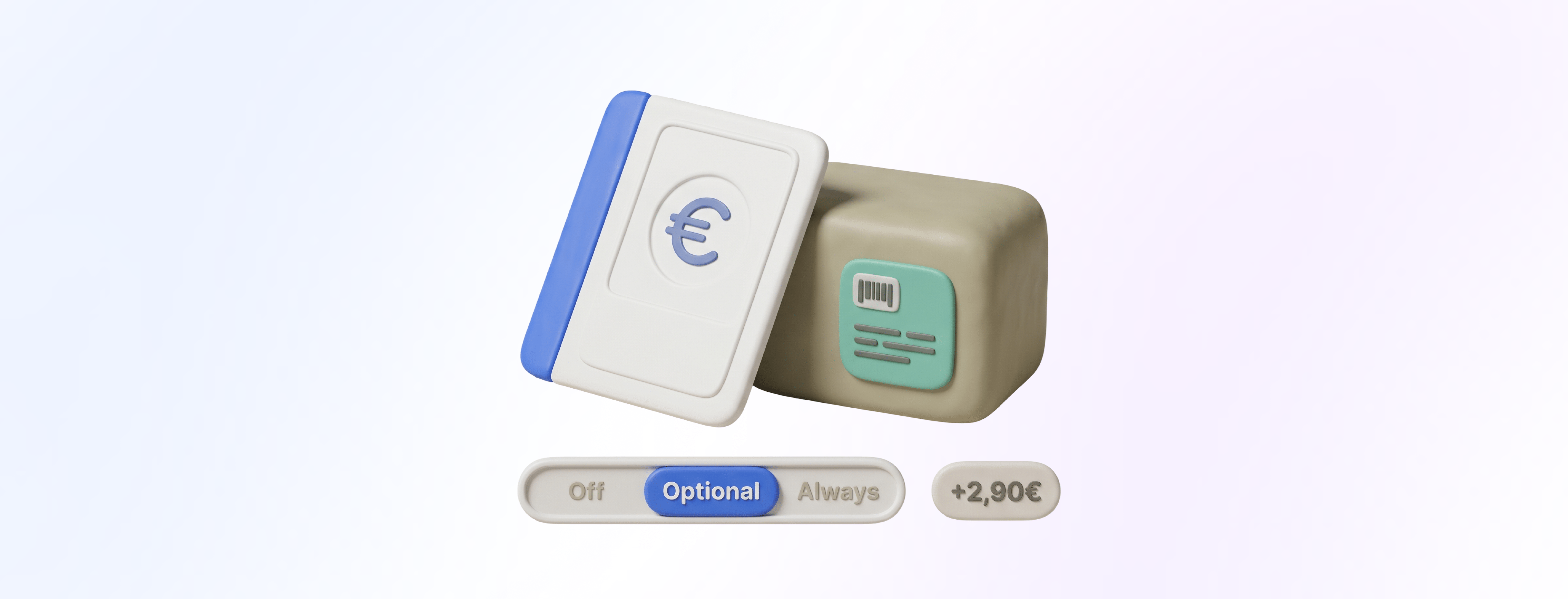
You can now sell booking packages and value vouchers with proper physical shipping support, including configurable shipping modes, shipping fees, and an operational shipping status in the admin. This makes postal delivery easy to offer, charge correctly, and track end to end.❓ What it does
  • Adds a shipping mode setting per booking package and per value voucher: disabled, optional, always
  • Lets you set a shipping fee amount per package/voucher that is charged in addition to the voucher/package value
  • Adds an optional shipping selection in checkout when shipping mode is set to optional
  • Automatically includes the configured shipping fee in the checkout total when shipping is selected (or required)
  • Provides visibility in the anny admin so teams can see which purchases require shipping
  • Enables marking an item as shipped to support operational fulfillment and tracking
This update removes manual workarounds for physical delivery and ensures the total price is always calculated correctly. It also gives your team a clear process to handle outgoing mail without losing track.💡 ExampleA customer buys a 100€ value voucher and selects postal delivery in checkout (optional shipping). anny adds the configured 2,90€ shipping fee to the total, and your team can later mark the voucher as shipped in the admin once the letter is sent.
Improvements

Subscribe without an account

You can now let customers complete subscriptions without logging in first. This reduces friction in the subscription checkout and helps convert new customers faster.❓ What it does
  • Adds a per-plan setting in the anny admin area to decide whether login is required before subscription purchase
  • Enables a guest subscription checkout flow where customers enter the required details directly in the checkout
  • Supports completing the payment setup without a pre-existing account
  • Updates the success page to guide customers to register after purchase
  • Introduces a post-purchase registration and claim process so the subscription can be assigned to an account and managed later
By allowing guest checkout for subscriptions, you remove a major barrier for first-time customers while still keeping full control per plan. Teams can keep login required where needed and open it up where speed matters most.💡 ExampleA new coworking prospect buys a monthly desk sharing subscription as a guest in your shop, completes payment immediately, and only registers afterward to claim the subscription and manage it going forward.
Improvements

Start subscriptions in the future

You can now let customers choose a future start date when purchasing a subscription. This makes subscription checkouts more flexible and easier to plan ahead.❓ What it does
  • Adds a per-plan setting in the anny admin area to allow or disallow future subscription start dates
  • If enabled, customers can select a start date in the future during subscription checkout
  • If disabled, the existing behavior remains: subscriptions start immediately after purchase
  • Ensures the selected start date is clearly selectable in checkout and is correctly applied when the subscription is created so access starts on the planned date
Teams can offer subscriptions that match real-world timelines like move-ins, project starts, or month-to-month planning, without forcing customers to start and pay for access earlier than needed. This reduces friction at checkout and increases booking confidence. Learn more in the help center article: [Link will be inserted later].💡 ExampleA desk sharing customer books a subscription today, selects “start on July 1”, and completes the purchase now. The subscription is created with the chosen start date, so usage begins exactly on July 1 instead of immediately.
New Feature

AI-Powered Cancellation Reasons Analytics

You can now capture cancellation reasons in the Shop and automatically categorize them with AI, so your team finally sees why subscriptions are being canceled. The results are available directly in an overview dashboard and in the cancellation list and detail view.❓ What it does
  • Adds a free-text field for customers to state their cancellation reason during the cancellation flow in the Shop
  • Automatically assigns the free-text reason to an AI category (e.g., “Too expensive”, “Missing features”, “No longer needed”)
  • Shows the distribution of categories in a dashboard pie chart for fast insight
  • Displays the category in the cancellations list for quick scanning
  • Shows the full original cancellation reason in the cancellation detail view for context
This turns cancellations into structured feedback you can act on, helping you spot trends earlier and prioritize improvements across pricing, communication, and product scope. It also reduces manual tagging and keeps your analysis consistent over time.💡 ExampleIf the dashboard shows a growing share of cancellations categorized as “Too expensive”, your team can review pricing and packaging and adjust onboarding or value communication before churn increases further.
New Feature

Apple Pay and Google Pay in embedded anny Widget

Apple Pay and Google Pay are now available directly inside an embedded anny widget on your own website. This creates a faster checkout experience and helps reduce drop-offs during payment.❓ What it does
  • Enables Apple Pay and Google Pay inside embedded anny widgets (no redirect or interruption in the flow).
  • Adds a new required setting in anny Admin: save your website domain in Organization settings under General information.
  • Uses dynamic domain verification so the saved domain is automatically enabled by anny.
  • Works for bookings, packages, and subscriptions, including use cases like room booking checkouts in the widget.
With a smoother, familiar payment step, customers can complete purchases faster, which can improve conversion especially for organizations that rely on embedded widgets. Learn more in the Help Center article (Link will be inserted later).💡 ExampleA user books a meeting room via the embedded anny widget on your company website and pays immediately with Apple Pay or Google Pay, completing the checkout in seconds without leaving the widget.
New Feature

License plate field and COMYDO barriers for parking bookings

We’ve added a dedicated license plate form field with proper validation and extended our COMYDO barrier logic for smoother, automated parking access. This enables reliable plate-based entry and optional automated check-out on exit.❓ What it does
  • Adds a new custom form field type: “License plate” with input validation tailored for license plate entries
  • Makes the license plate available in the booking flow for parking resources
  • Passes the captured license plate into the COMYDO integration
  • Automatically opens the barrier when COMYDO recognizes a matching license plate on entry
  • Optionally triggers an automatic booking check-out on exit to capture actual usage time
This removes manual friction at the gate and makes automated access flows dependable, while also improving reporting accuracy when you want to track real parking duration.💡 ExampleAn employee books a parking spot in advance and enters their license plate during checkout. On arrival, the COMYDO barrier recognizes the plate and opens automatically. When leaving, an optional auto check-out is triggered so the booking reflects the real parking time.
New Feature

Custom Withdrawal Period for Subscription Plans
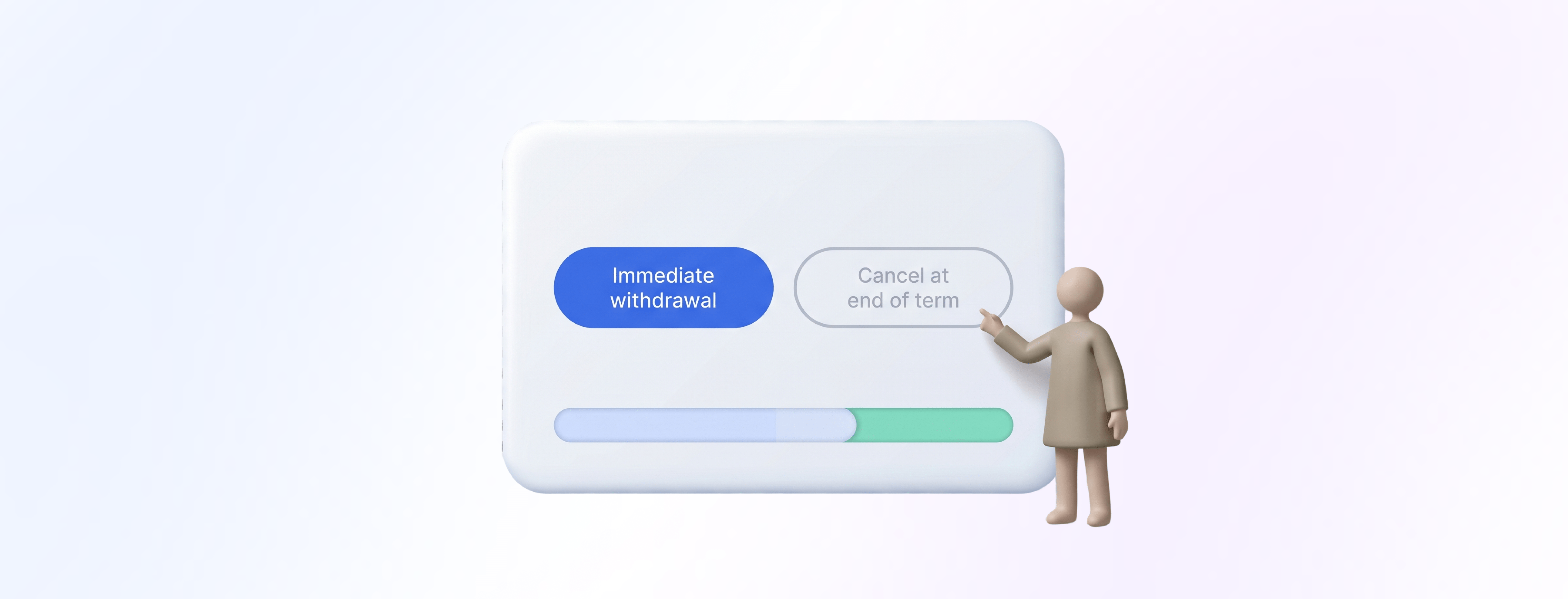
You can now configure a withdrawal period for subscription plans to properly support B2C cancellation rights in online subscriptions. Customers get a clear choice between an immediate withdrawal and a cancellation at the end of the current term, including automatic pro rata refunds when applicable.❓ What it does
  • Adds a new “Withdrawal period” setting to subscription plans in the anny admin area (configurable per plan).
  • Updates the customer cancellation dialog in the booking area when a withdrawal period is active.
  • If a customer cancels within the configured withdrawal period, they can choose between:
  • Immediate withdrawal (with automatic pro rata refund for the unused portion), or
  • Cancellation at the end of the current term.
  • Allows customers to schedule a cancellation several months in advance.
This closes an important gap for B2C subscriptions by making withdrawal rights transparent, reducing support effort, and ensuring refunds are handled correctly and consistently. It also gives customers more control by allowing future-dated cancellations. For more details, see the help center article: [Link will be inserted].💡 ExampleA private customer books a monthly coworking desk-sharing subscription online. Within the withdrawal period, they open the cancellation dialog and choose “Immediate withdrawal”. anny automatically refunds the unused part of the month, while the subscription ends right away.
New Feature

Automatic EVVA AirKey Access for Bookings

You can now connect EVVA AirKey with anny to automatically provide digital access for booked resources. Access is created just in time before the booking so EVVA AirKey constraints are always respected.❓ What it does
  • Adds EVVA AirKey as a new smart lock integration in anny
  • Automatically creates a digital access right for a booking shortly before the booking starts (just in time)
  • Ensures compliance with EVVA AirKey’s limitation that only one active access can exist per lock at a time
  • Matches the booking person to EVVA access via phone number
  • Triggers EVVA to send setup instructions 30 minutes before the booking start via email and SMS
  • Supports app-based access only (no PIN access)
This removes manual door handovers and last-minute coordination for EVVA-secured spaces, while keeping access creation safe and conflict-free for each lock.💡 ExampleA visitor books a locked meeting room secured with EVVA AirKey in anny. 30 minutes before the booking starts, EVVA automatically sends an email and SMS so the visitor can set up access in the EVVA app and open the room right on time, without any admin involvement.
Improvements
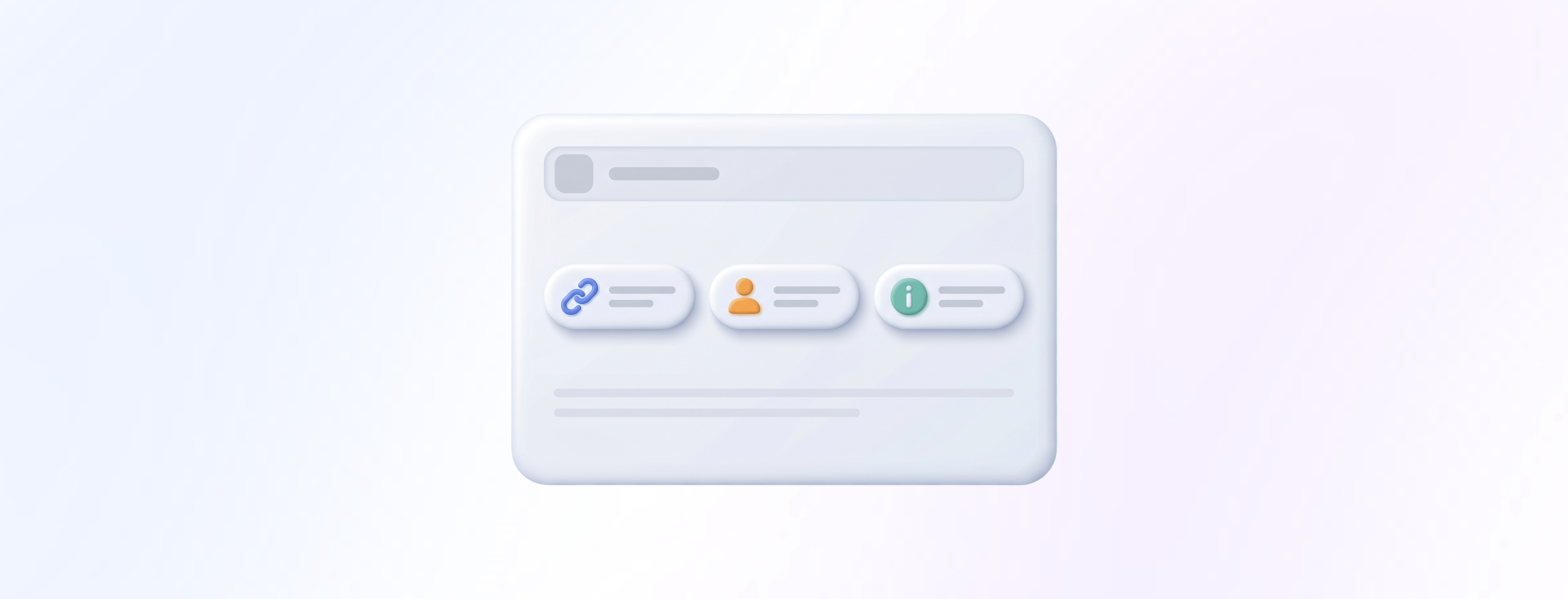
Community members can now access important external destinations directly from their Community home in anny. Community admins can maintain up to three links per Community, so members find the right place faster without searching.❓ What it does
  • Adds a new admin option to store up to three external links per Community in the anny Adminbereich (Web)
  • Each link includes a label (name), a URL, and an icon
  • Displays these links on the Community home page in the Buchungsbereich (Web) for members
  • Members can click and open the external destinations instantly
  • Web only for now
This reduces friction for members and makes Community communication more effective, because the most relevant external resources are always one click away on the Community start page.💡 ExampleA company runs a Community for its members and adds links to the customer portal, a profile page, and a “More information” page. Members open these destinations directly from the Community home instead of having to search or ask for the right URL.
New FeatureImprovements

Daily Role Quotas Dashboard Widget
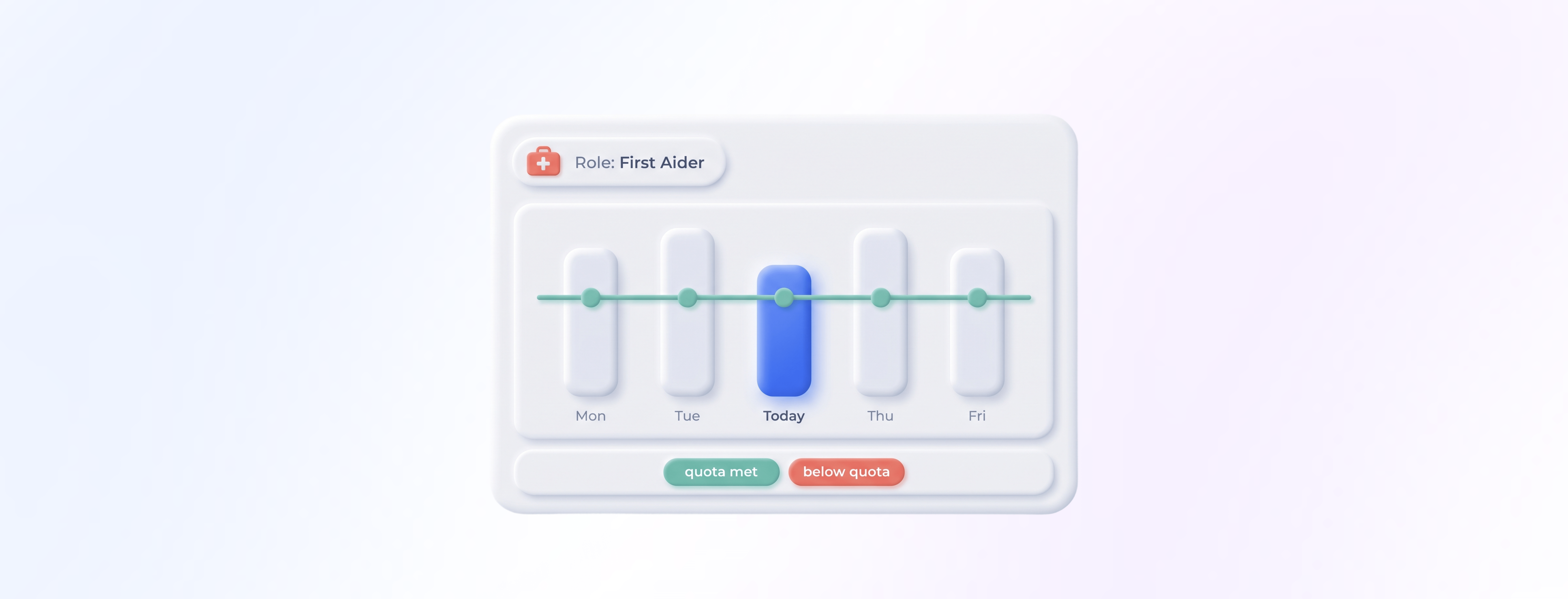
You can now track daily booking counts by role directly in the anny admin Dashboard and instantly see whether defined role quotas are met. This makes it easier to validate staffing and safety requirements at a glance.❓ What it does
  • Adds a new Dashboard widget that evaluates bookings per day by a selected role (for example, First Aider)
  • Visualizes target vs actual for a defined quota so you can quickly spot if the quota is met or undercut
  • Helps admins and responsible teams monitor day-by-day presence based on real bookings and assigned roles
With this widget, compliance checks that used to require manual digging are now visible immediately, so teams can react earlier when coverage is at risk. Especially for safety-critical roles, it reduces uncertainty and speeds up operational decisions.💡 ExampleIn a desk sharing setup, you define a quota of 2 First Aiders per day. On Tuesday, the widget shows only 1 booking by a First Aider, so you can proactively arrange coverage before people arrive.
Improvements

Apple Pay and Google Pay for subscriptions

You can now pay for subscription products with Apple Pay and Google Pay, in addition to SEPA and credit card. This makes checkout on mobile faster and reduces friction for new and returning customers.❓ What it does
  • Adds Apple Pay and Google Pay as payment options for subscription products in the booking checkout
  • Keeps SEPA and credit card available as before, with a clear selection flow for subscriptions
  • Supports recurring subscription payments with the new payment methods
  • Applies across anny Booking area and anny Admin where subscription payment method selection and processing is reflected
Customers can complete subscription checkout in seconds, especially on mobile, which helps reduce drop-offs and increases successful subscription sign-ups. More details are available in the help center (link to be inserted).💡 ExampleA customer buys a room-booking subscription on their phone, selects Apple Pay, and confirms with Face ID. Instead of typing card details, they finish instantly, making an abandoned checkout far less likely.
Improvements

Revenue by Product in Dashboard and PDF

You can now break down revenue by product category directly in the dashboard and in the revenue overview PDF export. This makes it easier to understand which product types drive revenue and what online transaction fees are associated with them.❓What it does
  • Adds a dashboard widget that shows revenue by product category (e.g., Resource, Service, Subscription Plan, Add-On, Booking Package).
  • Displays the related online transaction fees per product or product group in the dashboard, so you can compare revenue and fees side by side.
  • Extends the revenue overview PDF export with a revenue breakdown per product category for reporting and sharing.
This update helps Finance, Operations, and Management teams quickly assess product performance and fee impact without manual spreadsheets. It also improves comparability across modules, especially when multiple product types contribute to the same monthly revenue.💡 ExampleAt month end, an admin opens the dashboard and instantly sees how much revenue came from Resources vs. Services vs. Subscription Plans, plus the online transaction fees tied to each category, and exports the same breakdown as a PDF for internal reporting.
New Feature

Company Profiles for Business Customers

You can now manage companies as first-class records in anny instead of storing company names as plain text on individual customers. This creates a clean structure for shared company data, members, and future invoicing workflows.❓ What it does
  • Creates dedicated company records that customers can be assigned to
  • Stores central company data in one place, including company name, domain, billing address, and VAT ID
  • Shows a consistent company context across customer management and profile data
  • Lets registered anny customers manage their company data and members themselves
  • Optionally enables “different business address” capture in checkout flows for Subscription Plans, Services, and Booking Packages (when the corresponding form setting is activated)
  • Supports automatic member assignment based on company name and the domain of the business email address (if enabled)
Admins get a reliable, reportable company structure instead of fragmented free-text entries, and business customers benefit from centralized member and billing data management. It also lays the groundwork for upcoming improvements such as consolidated invoices.💡 ExampleA company has 12 employees using anny. With Company Profiles, all employees are linked to the same company record, so the billing address and VAT ID are maintained once and stay consistent across bookings and subscriptions, making future consolidated invoicing much easier to prepare.More information can be found in the helpcenter aritcle: https://docs.anny.co/en/articles/679185-company-profiles-for-business-customers
New Feature

Collect a Separate Shipping Address

You can now ask bookers for a separate shipping address when delivery does not match their default address. This makes bookings for physical shipments and postal services more accurate and flexible.❓ What it does
  • Lets you enable an optional “shipping/delivery address” field set per subscription plan, Service, or booking package
  • Shows an additional address section in the booking form only when the option is turned on
  • Keeps the booking form unchanged when the option is turned off
  • Supports common delivery scenarios like equipment shipping or mailbox rentals where delivery address and regular address differ
This reduces back-and-forth and prevents misdeliveries by capturing the correct address at the moment of booking. Teams can ship faster with fewer manual clarifications.💡 ExampleAn employee books home office hardware via anny using the company address as their standard address, but enters their private address as the shipping address so the package arrives at home.
New Feature

Customer balances and consolidated invoices for B2B bookings

You can now collect multiple B2B bookings and subscriptions on a customer balance and invoice them later as one consolidated invoice. This reduces manual billing work and keeps accounting clean when customers book repeatedly within a billing period.❓ What it does
  • Adds new Admin settings under “Invoicing” to enable customer balances and define how consolidated billing works (billing period, invoicing delay after period end, grouping by company, limits and thresholds).
  • Lets Admins add a booking to a customer balance (“Add to customer balance”) and keep it as a draft invoice until consolidation.
  • Shows eligible customers in checkout an option to book on customer balance instead of paying immediately (only if Service payment is enabled and permission criteria match Admin settings).
  • Links each booking’s draft invoice to the balance month of the booking date (not the checkout date), while keeping draft invoices individually visible for traceability.
  • Updates the draft invoice and balance automatically when bookings change, without triggering immediate payment.
  • Consolidates all connected draft invoices at the balance due date into one posted invoice; all drafts remain visible and are linked to the final invoice.
  • Adds a “Home” widget for customers that shows an overview of open balances.
  • Automatically charges consolidated balance invoices via the stored payment method if the customer has a subscription with a saved payment method.
Finance and operations teams spend less time reconciling dozens of individual invoices, while B2B customers get a single invoice per period that’s easier to approve and pay. At the same time, detailed draft invoices remain available for internal review and auditability.💡 ExampleA company books desks and meeting rooms throughout May. Instead of receiving a separate invoice for each booking, all eligible bookings are added to the May customer balance as draft invoices. On the defined cutoff date, anny consolidates them into one posted invoice, and the company pays just that one invoice.
New Feature

purpleview integration for online appointments

You can now connect purpleview to resources in anny to automatically create a meeting link for each booking. This makes it easy to offer official appointments as secure online meetings.❓ What it does
  • When a resource is linked to purpleview, anny automatically generates a unique meeting URL for every relevant booking
  • The meeting URL is available for customers so they can join the online meeting at the time of their appointment
  • Works seamlessly for appointment-based services, especially in public administration contexts (e.g. citizen services)
Teams in cities and municipalities can offer digital appointments without manual link creation and without extra coordination steps. Citizens get a smooth experience: book, receive the link, join on time.💡 ExampleA Bürgeramt offers online appointments for driver’s license renewals. A citizen books a slot in anny and receives an automatically generated purpleview meeting URL, so they can join the appointment from home instead of coming on-site.
Improvements

Website Widgets v2: More components, buttons, and cart
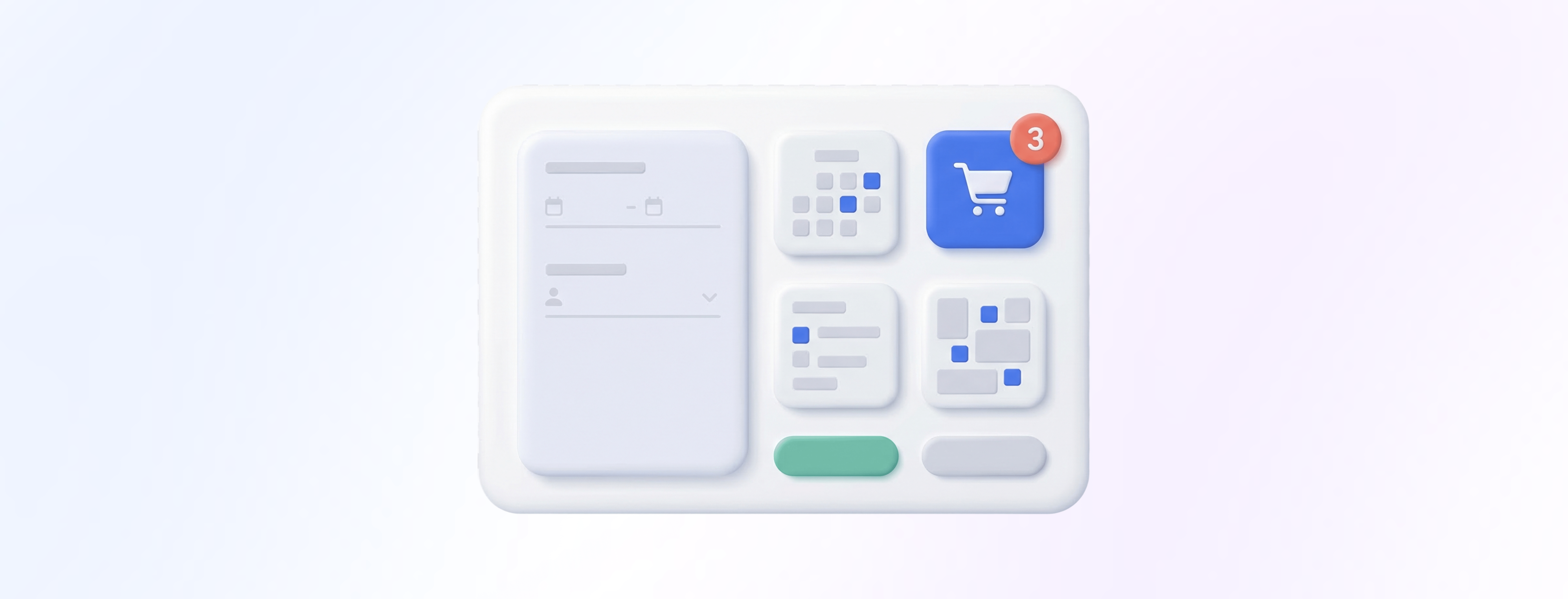
Website Widgets v2 gives you far more control over what you embed on your own website, without changing any existing widgets. Choose from new embed components, modal buttons, and a cart button that stays in sync across your pages.What it does
  • Adds new embed components you can place directly on your website:
→ Organization Calendar and Organization Map (calendar or map view across all resources in an organization)→ Resource Booking Panel (compact booking flow without header or navigation)→ Resource Calendar and Resource Map (calendar or map view for a single resource)→ Subscription Page (plans, signup, and checkout embedded)→ Package Page (vouchers and multi-passes with purchase flow embedded)→ My Bookings (booking overview for logged-in users)→ Login Button (central login entry point for all components)
  • Adds new modal button components (open as dialog, drawer, or fullscreen overlay):
→ Resource Button, Service Button, Organization Button, Subscription Button, Package Button→ Supports custom button text or a fully custom HTML element as the trigger
  • Adds a Cart Button:
→ Cart icon with a live badge showing item count→ Opens checkout in an overlay→ Automatically syncs with booking panels on the same page
  • Introduces relative date parameters for start and end dates (e.g., “today”, “next_week”, “this_month”)
  • Moves theming to the admin configurator so colors, backgrounds, and spacing are managed centrally and applied automatically
  • Adds layout controls:
→ Fullscreen mode (100% height) via fullscreen→ Fixed height options (e.g., 600px or 80vh), making the widget scroll instead of auto-growing→ Default remains auto-resize to content height
  • Adds display options:
→ Organization components can start as list, grid, or calendar→ Custom logo for the loading animation→ Preselection for services, categories, and content tabs→ Ability to hide filter bar and map independently on the organization pageYou can now embed exactly the booking experience you want, where you want it, and keep your website design fully in your control. It also unlocks website-native sales flows for subscriptions and packages, plus a smoother multi-slot checkout with a dedicated cart button.ExampleA coworking space embeds the Resource Booking Panel directly on each custom room detail page to show only the booking form, without any extra header or navigation. They place the Cart Button in the site navigation, so guests can add multiple rooms or time slots and then check out together, without ever leaving the website.Additional information can be found in the Help Center article: https://docs.anny.co/en/articles/1606-embed-the-anny-booking-page-on-your-own-website-in-your-design
Improvements

New Board and Month Views in the Booking Calendar
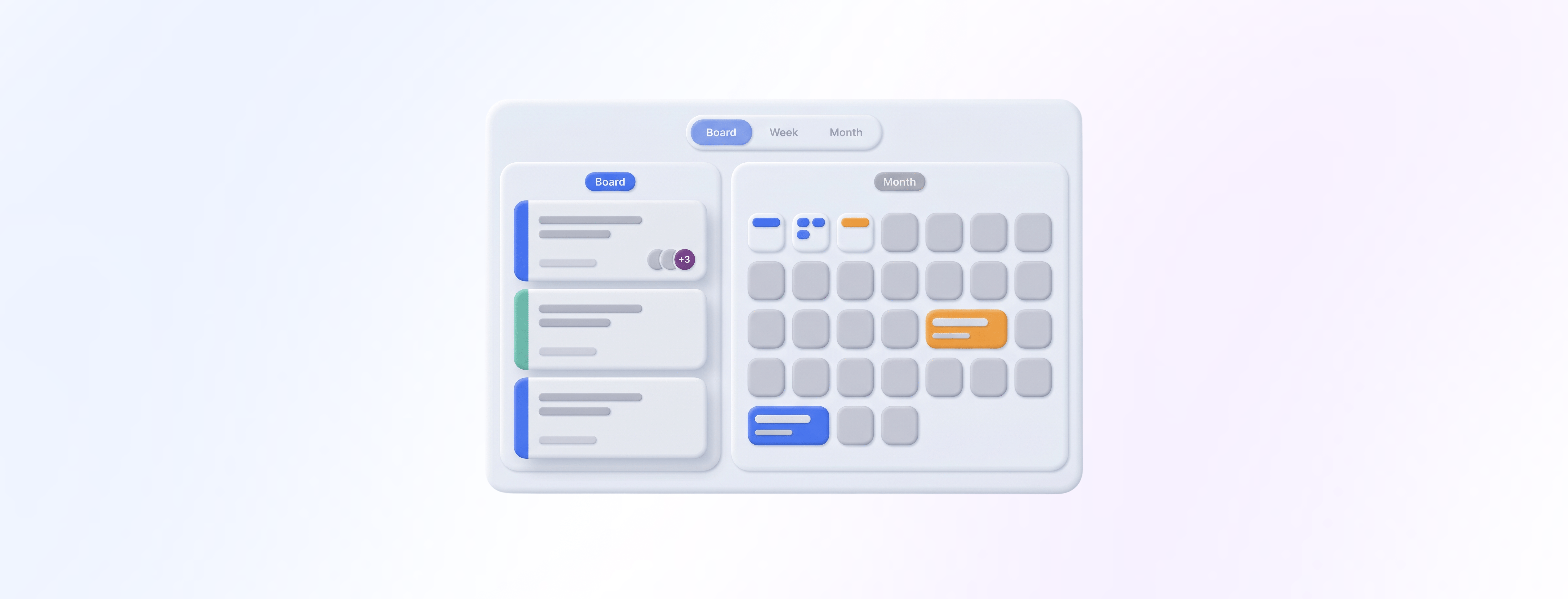
We’ve upgraded the calendar on organization booking pages and the Discover page with new viewing options and clearer scheduling behavior. This makes it much easier to stay on top of busy schedules, especially when many resources are shown at once.❓ What it does
  • Adds a Board view that lists all bookings/appointments chronologically, without a time axis
  • Shows every booking as a full-size card, independent of duration, ideal for course and event overviews
  • Adds a Month view for quick, high-level planning
  • Improves Week view: bookings with a duration of 7+ hours are now displayed as all-day items at the top of the calendar
  • Limits parallel display to max. 2 simultaneous bookings, with additional overlaps accessible via a “+X” indicator
  • Supports displaying up to 30 resources at once
  • Lets users filter and adjust the calendar view, with filters saved per user for the next visit
These improvements reduce visual clutter and make it easier to spot availability and conflicts at a glance, even in complex setups with many resources. For course providers, the Board view creates a clean, scannable program overview that’s easy to share.💡 ExampleA yoga studio uses the Board view as a course calendar overview, then embeds it on its own website so visitors can scroll through upcoming classes in order, without struggling with a packed time grid.More information are provided in the Help Center article: https://docs.anny.co/en/articles/7603-the-layout-of-your-booking-page
New Feature

Regpit integration for automated identity verification

With the new Regpit integration, you can automate KYC and AML checks for subscription requests that fall under the German Anti Money Laundering Act (GWG). Identity verification and risk assessment now happen seamlessly during the subscription request flow.❓ What it does
  • Creates a Regpit case automatically as soon as a customer requests a relevant subscription plan in anny
  • Notifies the customer from anny that identity verification is required and routes them to Regpit
  • Collects additional customer and business details in Regpit and supports verification methods like video identification
  • Confirms the subscription request in anny once Regpit has all required data and the overall risk is below your defined threshold
  • Declines or prevents confirmation if the overall risk is too high
  • Adds a new verification status component on the customer page and the subscription page so admins can see the current verification state at a glance
This reduces manual compliance work, keeps your subscription process GWG compliant, and speeds up approvals for low risk customers. It also makes outcomes transparent for your team, directly where you manage customers and subscriptions in anny.💡 ExampleA company rents business mailboxes via anny. When Max Mustermann requests a mailbox subscription, anny automatically creates a Regpit case and asks him to complete verification. If Regpit confirms his identity and the risk score is below the threshold, the subscription request is confirmed automatically, otherwise it is not confirmed.All details in the Help Center article: https://docs.anny.co/de/articles/661546-regpit-integration
Improvements

Refunds as Store Credit Vouchers
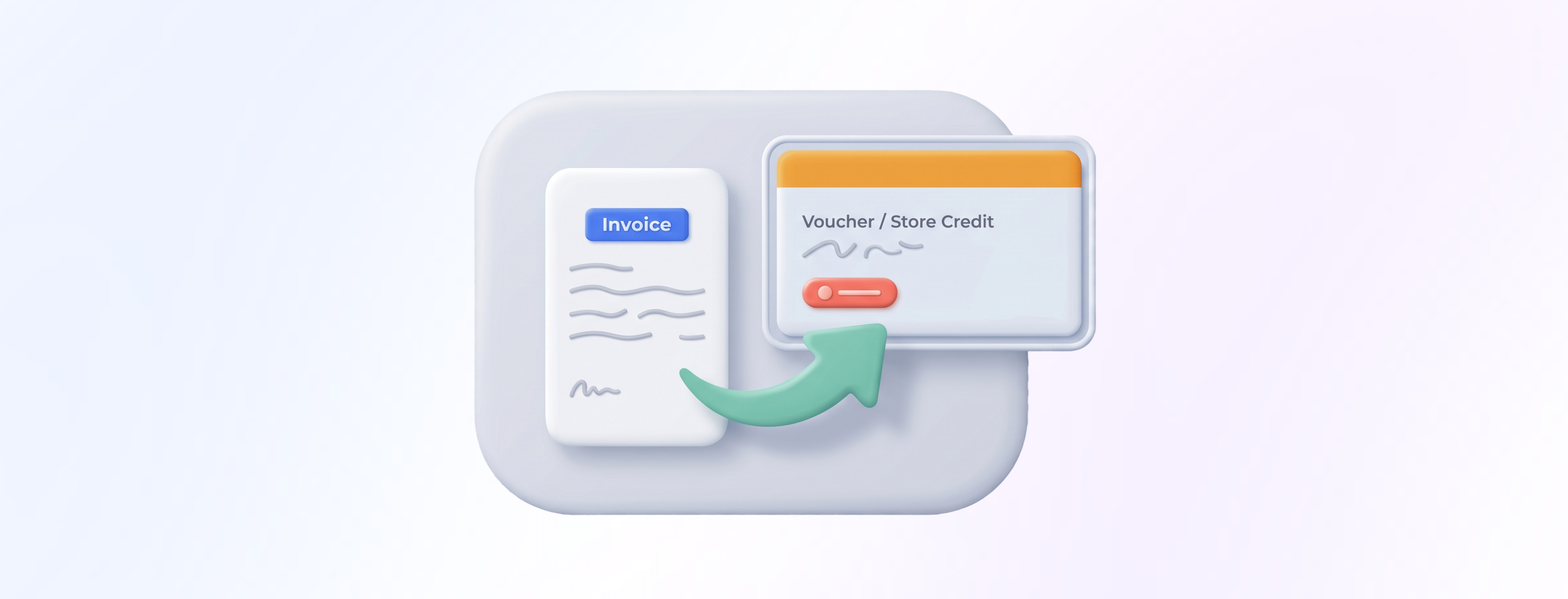
You can now refund cancelled, online-paid bookings as a voucher instead of sending money back. This keeps revenue in your business and makes rebooking frictionless for customers.❓ What it does
  • Lets admins choose “refund as voucher” via a dropdown when finalizing a cancellation invoice (only if the original invoice was paid online).
  • Adds a setting in Admin Service settings > Cancellation to define which voucher type is used for “Cancel as voucher”.
  • Supports multiple voucher types with different applicability restrictions, so you can map the right voucher to the right Service.
  • Shows customers in the cancellation details on the booking page that the refund will be issued as a voucher.
You reduce payment back-and-forth and help customers rebook faster, because their refund turns into immediate credit for a new booking instead of a bank transaction.💡 ExampleA customer cancels a course they paid online. Instead of refunding the money, you finalize the cancellation invoice as a voucher, and the customer receives store credit they can use to book a new course right away.
New Feature

Self-serve booking rescheduling

Your customers can now reschedule their own bookings, including changing the date and the assigned child resource, when you enable it in settings. Any resulting price differences are handled automatically, including additional charges and refunds.❓What it does
  • Lets admins enable or disable end-user booking edits (default: disabled)
  • Adds an editable deadline (change window) that defines how short-notice a change can be made
  • Allows admins to decide whether child resources can be changed (e.g., switching desks within the same room/area)
  • Shows an edit option in “My bookings” for end users when enabled
  • Supports rescheduling beyond add-ons and additional bookings: end users can now also adjust date/time and child resource
  • Automatically calculates and applies price changes (refund or additional payment)
  • Respects lead times for Add-Ons and Service
  • Enforces the earliest possible new date based on: earliest new date = MIN(old date, today + lead time)
This reduces support effort for admins and removes friction for customers who need to adjust plans, which can significantly reduce cancellations and no-shows. It also keeps revenue and billing correct without manual intervention through automated recalculation and payment handling.💡 ExampleSomeone has booked a desk for next week but would prefer to sit in a different area. Instead of canceling and rebooking, they simply switch seats.More information can be found in the helpcenter article: https://docs.anny.co/en/articles/617455-editing-bookings
Improvements

Open-Amount Gift Vouchers
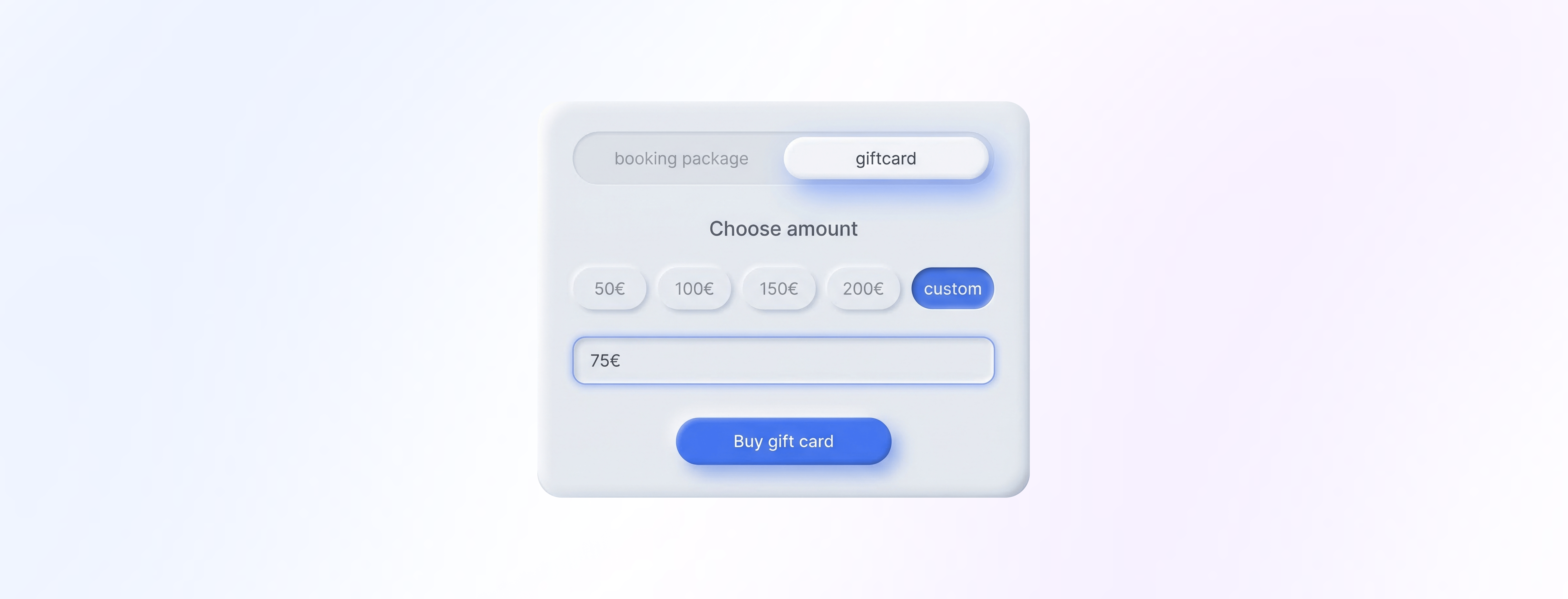
You can now offer gift vouchers with an open amount, so customers choose the value that fits their needs. Admins can switch between booking packages and multi-purpose gift vouchers depending on how vouchers should affect pricing, tax, and checkout.❓ What it does
  • Adds a new admin setting to select the voucher mode in Booking packages > Edit package
  • Supports two modes:
A) Booking package (purpose-bound): Includes defined contingents (for example credits for specific bookings/resources). VAT is shown at purchase, and redeeming reduces the booking price. Packages can also be used as purpose-bound vouchers.B) Gift voucher (multi-purpose): Can be offered with a fixed or open amount. You can set a minimum amount and a default value. VAT is shown as 0% at voucher purchase, and redemption is applied as a (partial) payment, so the booking VAT is shown correctly.
  • On the organization page under Packages, customers can select a voucher/package
  • If the amount is open, customers can pick from suggestions or enter their own value
This makes vouchers significantly more flexible and increases conversion, because customers can match the voucher to their budget while you keep the correct tax handling for your business model. It also reduces support requests caused by “wrong voucher value” purchases.💡 ExampleA massage studio offers a “Gift voucher (open amount)” with a minimum of 25€ and a default of 50€. A customer wants to gift exactly 70€, enters 70€ at purchase, and later redeems it as partial payment for a 79€ massage.
New Feature

Smart Availability Groups for Complex Resource Dependencies

Smart Availability Groups let you bundle resources into groups and ensure each booking reserves at least one available resource per group. This makes complex setups like “two staff + one room” bookable without manual coordination.❓ What it does
  • Create resource groups under Service > Booking options > Resources > Dependencies and assign multiple resources to each group.
  • During availability checks, anny ensures that at least one resource from each group is available for the selected time slot.
  • At booking time, anny automatically reserves exactly what’s needed: one resource per group, plus any connected resources, without double-booking the same resource.
  • A single resource can be used as a connected resource and also be referenced again inside a Smart Availability Group.
  • Limitation: using the same resource across more than two groups at the same time is not supported.
  • Important: if an admin creates a booking with “Check availability” disabled, dependent resources are not booked, because they would restrict availability.
You can offer services that require multiple parallel resources and keep scheduling reliable, even with many possible combinations. This reduces back-and-forth, avoids conflicts, and makes more complex services sellable online.💡 ExampleFor a couples massage, you connect all qualified employees to the Service, then create two Smart Availability Groups: one group for the second employee (with the same qualified team) and one group for eligible rooms. When a customer books, anny ensures two different employees and one room are available at the same time and automatically reserves them via sub-bookings. Learn more in our Help Center: [Link will be inserted].More information can be found in the helpcenter article: https://docs.anny.co/en/articles/36096-smart-availability
New Feature

Exclusive Slots per Order

We’ve added an option to make multi-capacity slots exclusive to a single order. Once a slot is partially booked, it will be treated as unavailable for any other customer’s order, while admins can still see the remaining capacity.❓ What it does
  • Adds an admin toggle in resource availability for resources with multiple availability (and for child resources that have multiple availability).
  • When enabled, a slot becomes “exclusive” as soon as the first booking is made in that slot.
  • Prevents other customers from booking the remaining capacity in that same slot via separate orders.
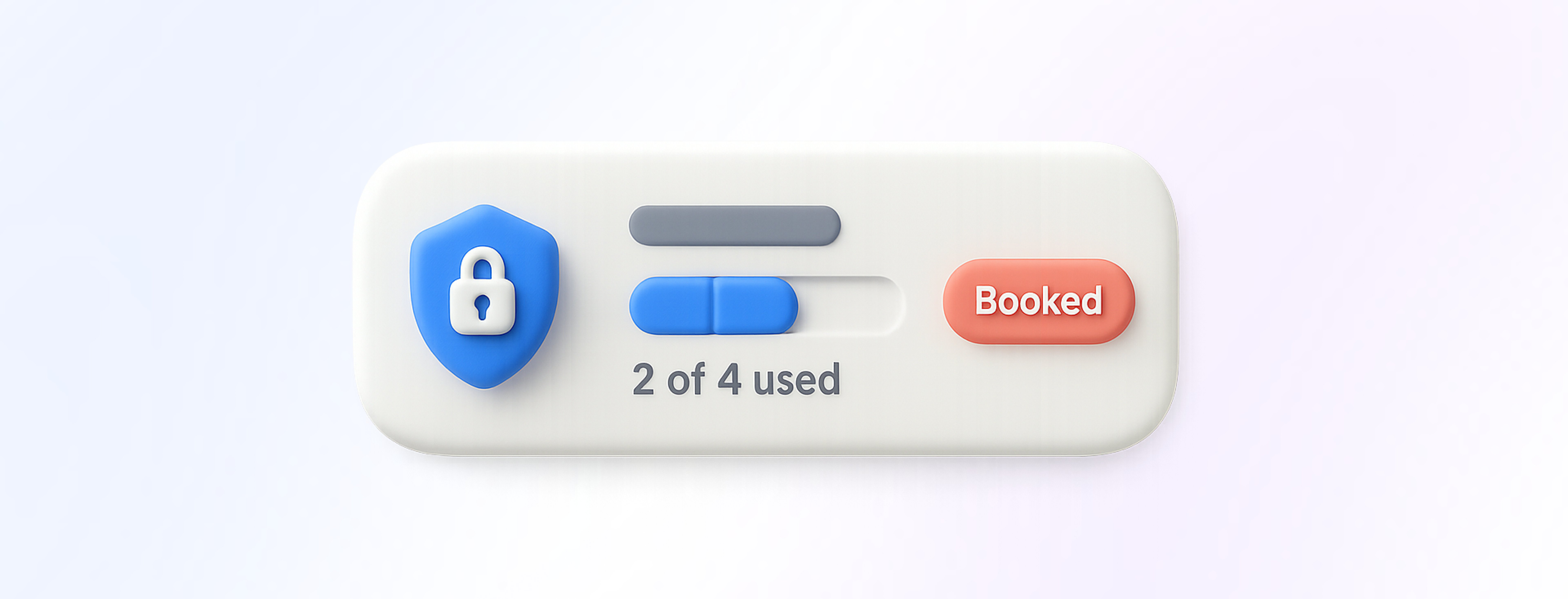
  • Keeps capacity transparency for admins: you can still see the real utilization (e.g., 2 of 4 spots used).
  • Ensures groups are not mixed within the same slot even when the resource technically has remaining capacity.
This helps providers offer group-exclusive experiences without manual blocking or complicated workarounds. It reduces operational friction and avoids customer frustration caused by mixed groups in shared time slots.💡 ExampleYou run axe throwing with lanes that fit up to 4 people. With Exclusive Slots enabled, if one customer books 2 people for the 6:00 PM lane, the 6:00 PM lane will be shown as booked out for everyone else, while you still see internally that 2/4 spots are used.More information can be found in the helpcenter article: https://docs.anny.co/en/articles/618707-exclusive-time-slots
Improvements

Min and Max Quantity per Booking Option
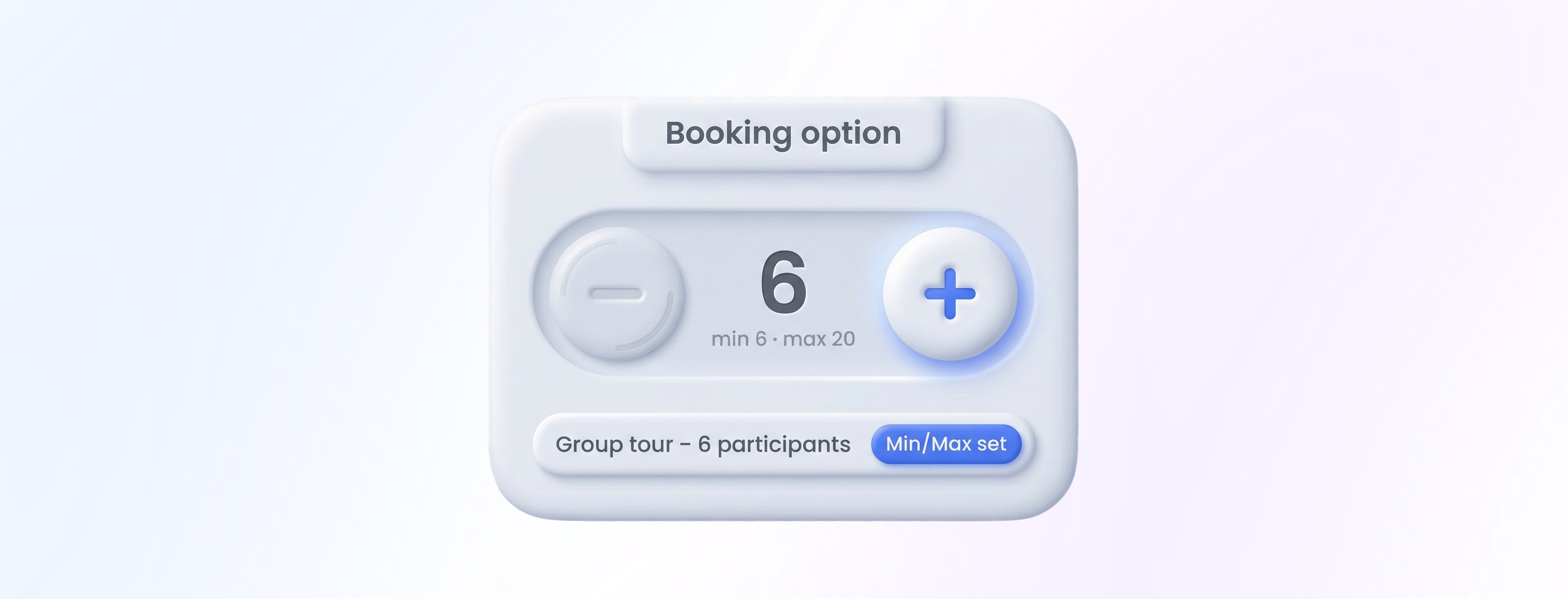
You can now define minimum and maximum quantities for each booking option. This ensures multi-bookings match your real pricing and capacity rules before customers can proceed.❓ What it does
  • Lets you set a minimum and a maximum quantity per Service/booking option in the advanced settings
  • Applies the limits directly when a customer adds a booking
  • Prevents checkouts that don’t meet your defined minimum (and blocks quantities above your maximum)
  • Works especially well for services where multiple units are booked in one go, like tickets, seats, or participants
This helps you enforce group rules automatically, reduce manual back-and-forth, and keep bookings aligned with how you sell and staff your offering. For customers, it makes the booking flow clearer because valid quantities are guided from the start.💡 ExampleYou offer a group tour that can only be booked for 6 to 20 people. With min/max quantities set on the booking option, a customer can’t complete the booking with 1 person and is guided to book at least 6 participants instead.More information can be found in the helpcenter article: https://docs.anny.co/en/articles/622089-define-minimum-and-maximum-selection-per-order
New Feature

Urban Sports Club Integration
You can now connect anny with Urban Sports Club (USC) to sync your classes and keep bookings and capacities aligned in real time across channels. This helps studios expand reach via USC without risking overbookings or losing control of inventory.❓What it does
  • Lets you select which anny courses are exported to USC (based on the course planner model).
  • Automatically transfers all sessions for the next 3 weeks and keeps them synchronized.
  • Makes only sessions within the next 2 weeks bookable for USC users.
  • Supports trainer and room recognition by mapping resource categories for trainers and linking rooms 1:1 to USC locations.
  • Allows setting a default trainer and default room if you do not want to define them on every session.
  • Prevents moving sessions after they have been exported to USC (USC does not allow rescheduling). Exported sessions can only be canceled.
  • Cancels the session in USC when you cancel it in anny, including all USC bookings.
  • Validates USC bookings in real time in anny to prevent double bookings and overbooking.
  • Updates capacity in USC in real time when bookings come in via anny or other channels.
  • Marks USC bookings in anny via a dedicated booking option “Urban Sports Club” (not editable).
  • Optionally lets you store a USC settlement price to track revenue from USC bookings.
  • Imports USC check-ins into anny so attendance is visible in your operations.
  • Anonymizes canceled USC bookings and USC no-shows in anny according to USC requirements.
  • Imports USC no-shows one day after the session ends, since USC provides them on the following day.
  • Offers optional capacity controls: reserve a contingent of seats for direct bookings (anny and other channels) and automatically release remaining reserved seats to USC at a defined time (for example 24 hours before start).
You can grow distribution through USC while keeping your schedule, capacities, and attendance in sync, even when you sell the same sessions through multiple channels. At the same time, you keep control over how many spots USC can take and when.💡 ExampleA Reformer Pilates studio exports its classes to USC, reserves 10 spots per class for direct bookings in anny, and automatically releases unused reserved spots to USC 24 hours before the class. This maximizes fill rate without sacrificing availability for loyal direct customers.More information can be found in the helpcenter article: https://docs.anny.co/en/articles/618687-connect-urban-sports-club-with-anny
Improvements

Series bookings v2: Book series from resource availability

Series bookings are now managed centrally via a resource’s available time slots, not inside the booking option. This makes series selectable at checkout and keeps changes to individual dates automatically in sync with existing bookings.❓ What it does
  • Moves series date definitions from the booking option into the resource’s availability (available time slots).
  • Lets you optionally assign each available time slot to a specific series.
  • Allows connecting additional provided resources per slot (e.g., trainers, coaches, rooms) from the same central place.
  • Enables customers to choose a series via a dropdown during booking.
  • Books all dates of the chosen series at once as a package.
  • Supports mixing series and drop-in bookings to fill remaining capacity.
  • Centralizes update management: single dates can be cancelled or rescheduled in the resource availability and affected bookings stay synchronized.
You no longer need a separate booking option for every new course cycle. Series become dynamic, easier to maintain, and changes to dates are handled once centrally instead of across multiple configurations.💡 ExampleYou offer a 6-week language course with 12 sessions and also allow drop-ins for individual remaining spots. With Series bookings v2, you create the time slots once in the resource availability, assign them to “6-week course March”, and customers simply pick that series in the dropdown and book the full package. If one session is moved, you update that single slot centrally and the bookings remain in sync.
New Feature

Let customers edit add-ons after booking

Customers can now update add-ons after they’ve already booked, as long as you allow it in your settings. This reduces back-and-forth and keeps bookings accurate even when plans change.❓ What it does
  • Adds a new admin setting on the booking option/service add-on configuration: “Allow editing add-ons after booking”.
  • When enabled, customers can edit selected add-ons directly in their booking details (customer view).
  • Respects each add-on’s lead time, so customers can’t request last-minute changes that you can’t fulfill.
  • Supports changes to limited add-on resources (for example equipment with restricted availability).
  • Automatically handles payment differences: the system triggers the required top-up or refund when add-ons are paid and/or online payment is used.
  • Keeps the booking updated without requiring a manual admin change for typical add-on adjustments.
This gives customers more flexibility while you stay in control through lead times and availability rules. Your team spends less time on small change requests, and revenue stays correct through automatic payment adjustments.💡ExampleA customer books a meeting room and later realizes they also need catering. Instead of contacting your team, they open their booking details, add the catering add-on (only if the lead time allows it), and the system automatically charges the difference.
New Feature

Multi-Tenant Check-In Displays

You can now connect one Check-In Display to multiple anny organizations. This makes it easy to run visitor check-ins in multi-tenant buildings without mixing data or workflows.❓ What it does
  • Lets the first organization perform the initial pairing of the Check-In App with the device
  • Enables adding additional anny organizations from within the Check-In App settings
  • Shows the paired Check-In Display in each connected organization’s account settings
  • Allows each organization to customize its own terminal experience, including design, check-in forms, and NDAs
  • Adds an organization selection screen on the Check-In App start screen when multiple organizations are connected
  • Uses the selected organization’s branding, forms, and NDA for the full check-in flow
  • Allows selecting hosts from the chosen organization so notifications and visitor context stay tenant-specific
  • Keeps data strictly separated: visitor data is captured directly and exclusively inside the correct anny organization to support GDPR requirements
  • Requires licensing per company (one license per organization)
Multi-tenant buildings can share a single physical check-in terminal while keeping visitor data, hosts, and compliance boundaries cleanly separated per company. This reduces hardware overhead and prevents accidental data sharing between tenants.💡 ExampleA multi-tenant office lobby has one shared iPad for visitor registration. A visitor arrives, selects “Company B” on the first screen, signs Company B’s NDA, and completes Company B’s form. The visit is stored only in Company B’s anny organization and the host notified is a Company B employee.
New Feature

Shared dashboards and new widgets

You can now create and share multiple dashboards across your team, with fine-grained permissions for both dashboards and widget categories. Dashboards also got a modern refresh and powerful new widgets for utilization and revenue reporting.❓ What it does
  • Shows a clear overview in Dashboards with separate sections for private and shared dashboards
  • Lets you create unlimited private and shared dashboards
  • Adds role-based permissions per shared dashboard and per widget category in the role settings
  • Opens any widget in fullscreen for easier analysis and presentation
  • Adds custom date ranges per widget in addition to dynamic presets (for example “This week”); custom ranges can cover up to 365 days
  • Lets you fine-tune widget display options (for example legend visibility, averages, and more)
  • Ensures consistent resource colors across all widgets for faster recognition
  • Enhances the utilization widget with new filters for Community and address (in addition to resource, Service, category, and group)
  • Introduces new widgets: Peak hours & days, Top resources, Top services, Category distribution, Total revenue, MRR, Top customers, Customer growth, New customers
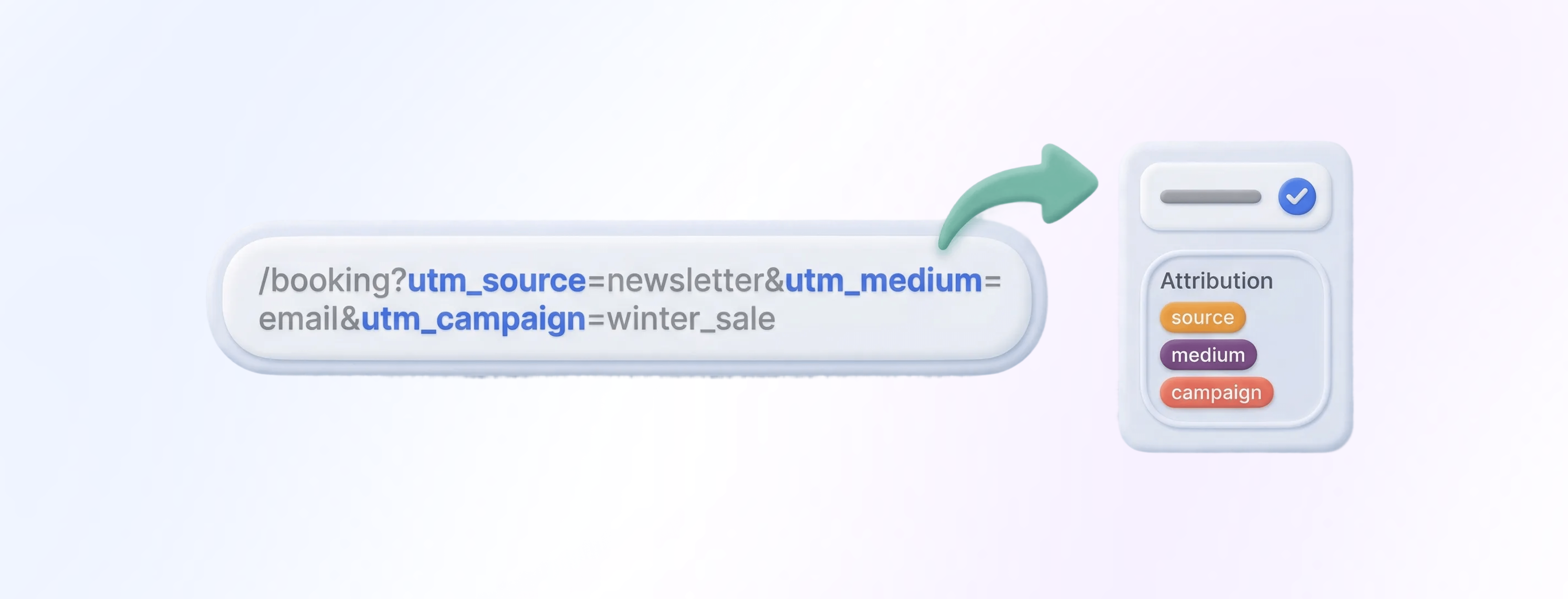
  • Adds reporting options to group bookings by date and by UTM source for more precise performance tracking
Teams can standardize reporting, reduce duplicated dashboard work, and make faster decisions with shared, permissioned views. Marketing and sales can also connect demand to acquisition campaigns by analyzing bookings grouped by UTM source.💡 ExampleA workspace operator shares a dashboard “Operations” with the team that includes occupancy by Community and address plus peak times and days. Finance gets a separate “Revenue” dashboard with Total revenue and MRR, while marketing uses a widget view that groups bookings by date and UTM source to see which campaigns are driving the most conversions.
New Feature

keycafe integration for automated key handover
You can now connect anny resources with physical keys stored in keycafe and automatically assign the right key to the right customer for the booked time slot.❓ What it does
  • Lets admins authenticate keycafe in the anny admin area, consistent with other integrations
  • Pulls keys from keycafe and allows you to map them to anny resources (for example, resource “Audi RS” to key “Audi RS key”)
  • Automatically transfers each booking to keycafe so the mapped key is assigned to the booking customer for the exact booking period
  • Triggers keycafe to email the customer a booking code, which they use at the keycafe SmartBox to pick up and return the key
This reduces manual handovers and helps you run key based operations at scale, with fewer errors and less coordination effort for your team.💡 ExampleA customer books your “Audi RS” in anny for 10:00 to 14:00. The keycafe integration assigns the “Audi RS key” to that customer for that time window and keycafe sends a booking code. The customer picks up the key at the SmartBox at 10:00 and returns it after 14:00, without your team needing to coordinate pickup times.
New Feature

Self Check-Out: Cancel after Check-In & smarter Check-Out rules
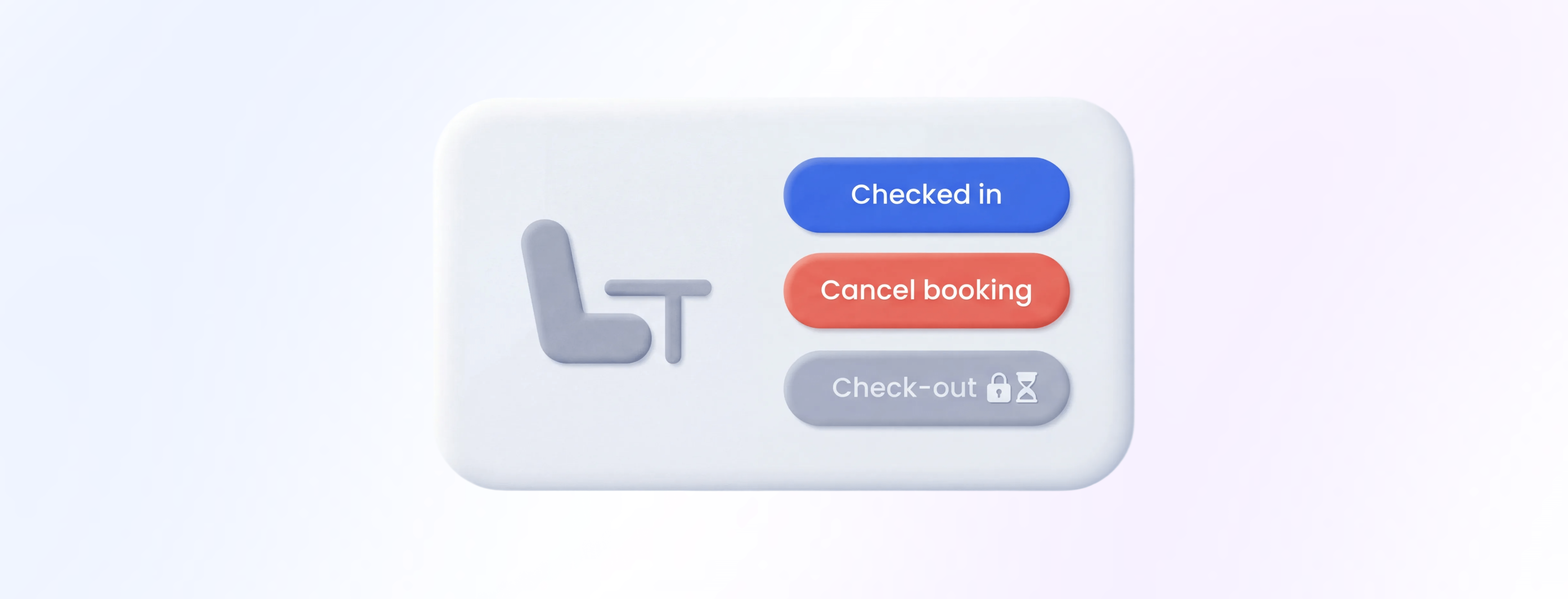
We’ve improved Self Check-Out to better match real-world behavior in universities and libraries. From now on, checked-in bookings can be canceled, and check-out is prevented before a booking actually starts.❓ What it does
  • Allows cancellation even after a user has checked in.
  • Applies the booking option’s cancellation window as the single source of truth, regardless of check-in status.
  • Prevents check-out before the booking start time.
  • Adds a minimum usage duration before check-out is allowed, so extremely short “sessions” don’t fragment capacity.
  • Keeps check-out focused on its real purpose: freeing remaining capacity only when there was genuine partial use.
This reduces blocked seats and avoids “capacity gaps” caused by immediate check-out actions. At the same time, users can make quick changes without creating operational overhead for admins.💡 ExampleA student checks in for a library seat and then decides to move to a better free spot. They can now cancel even after check-in (as long as the cancellation window allows it) and immediately book the new seat, without leaving capacity or contingents unnecessarily blocked.
New Feature

Dynamic Capacity Planning with On-Demand Resources
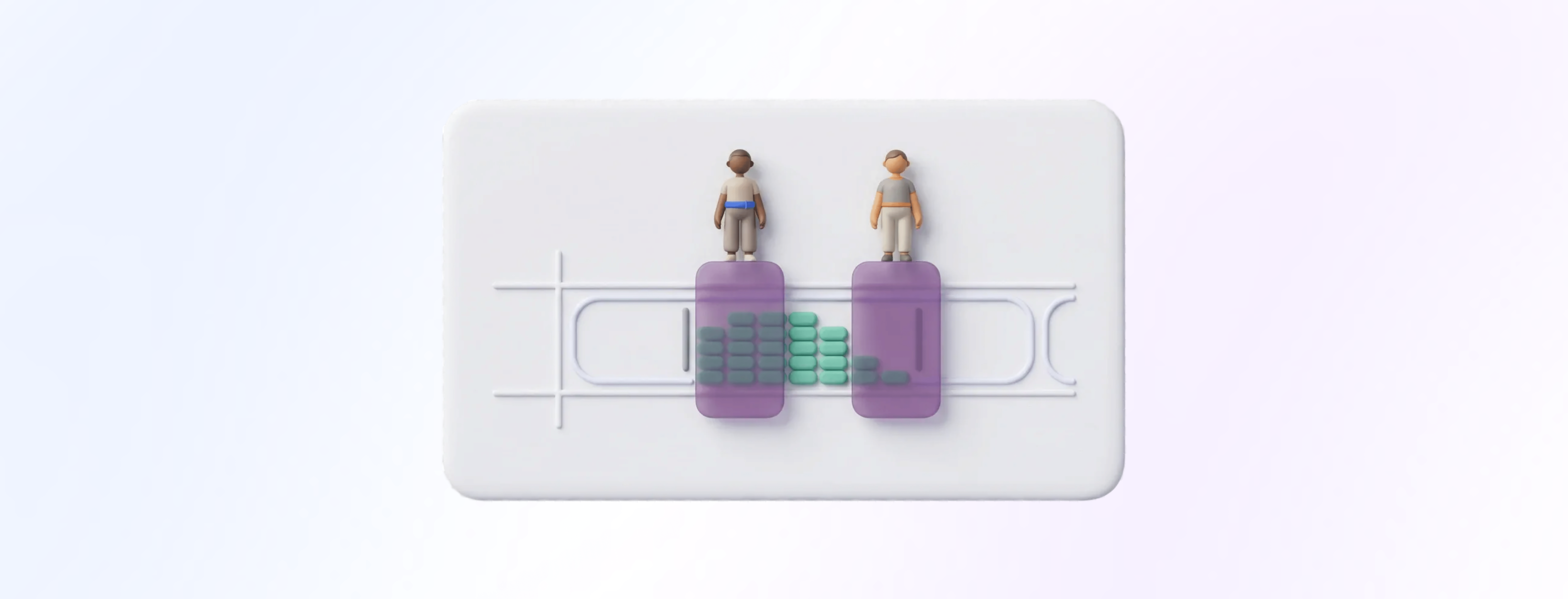
You can now connect On-Demand resources to your available time slots, so capacity is allocated only when bookings actually happen. As demand increases, resources are automatically assigned and blocked in real time.❓ What it does
  • Lets you link On-Demand resources (e.g., guides, trainers, rooms, equipment) in the settings of available time slots, alongside fixed resources.
  • Assigns the first matching On-Demand resource only when capacity is claimed by a booking.
  • Automatically creates a blocker in the resource’s calendar the moment it gets assigned.
  • Removes the assigned resource from the On-Demand pool for overlapping offers, preventing double allocation.
  • Updates slot capacity in real time based on booking demand and the resources that get assigned.
This gives you flexible operations without overcommitting your team or inventory upfront. You can offer multiple experiences in parallel, let customers choose freely, and still ensure resources are assigned reliably, automatically, and transparently.💡 ExampleA tourism agency offers 5 tours. Each guide can host up to 10 guests. Guides are connected as On-Demand resources to the tours they can lead, and each guide maintains their individual working hours in anny. When the 1st booking for a tour comes in, the first available matching guide is assigned and blocked. Bookings 2 to 10 fill that guide’s capacity. The 11th booking triggers a second guide assignment, who is then blocked and no longer available for other tours at the same time.
New Feature

New resource status: separate view and booking

We’ve introduced a new resource status system that cleanly separates whether a resource is visible, bookable, and billable. This makes it easy to create “info-only” resources without accidentally increasing your costs.❓ What it does
  • Adds a new status dropdown on each resource with 5 options.
  • Renames existing statuses: Active is now Live, Inactive is now Internal.
  • Adds a new setting in the resource’s Service settings: Enable booking.
  • Combines Live/Internal with booking enabled/disabled to determine the overall behavior of the resource.
  • Introduces free, non-billable states so resources can exist for visibility or setup without impacting billing.
This update gives you more control over what customers can do, while keeping your resource list complete and accurate without unnecessary billing. It also supports clearer setups where only the “real” sellable item should be counted.💡 ExampleIf you offer courses and want to show the trainer and room details, set the trainer and room to Live for viewing (free) and keep the course Live for booking. Customers can see the trainer/room info, but only the course is bookable and counted for billing.More information can be found in the helpcenter article: https://docs.anny.co/en/articles/530149-let-s-get-started-courses-workshops-events
New Feature

Per-session resource dependencies
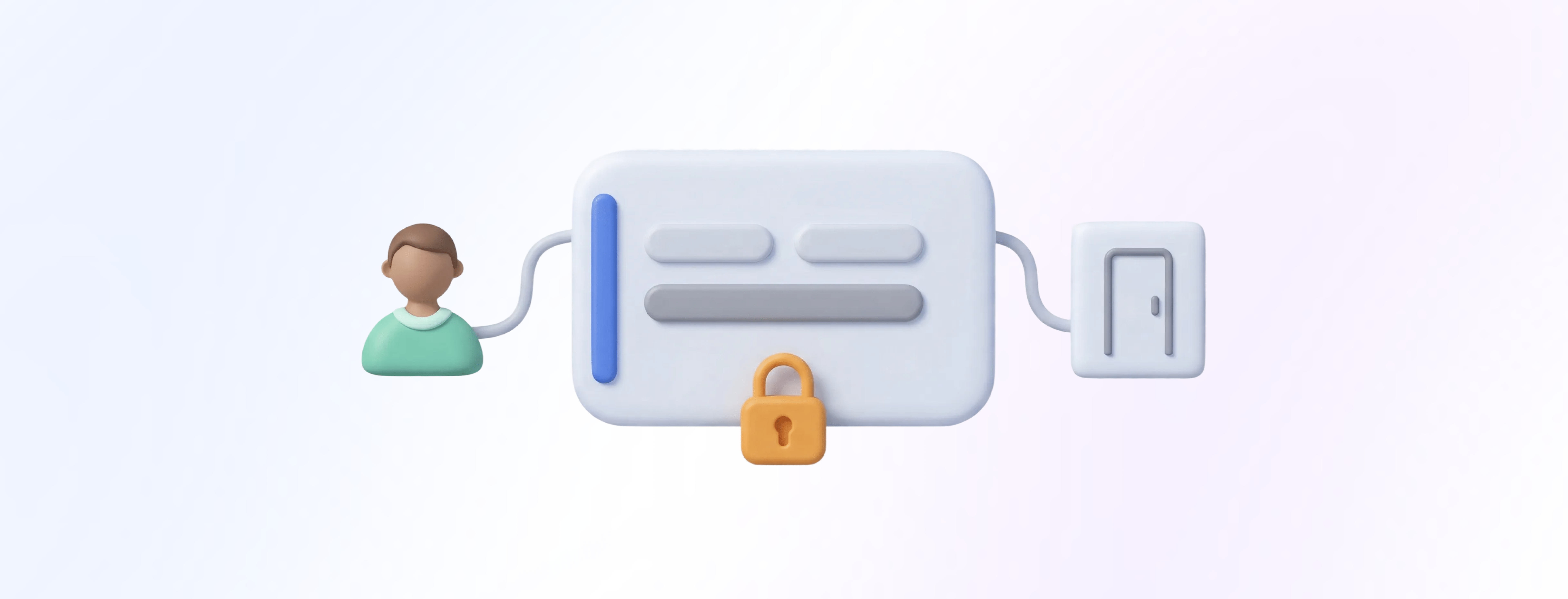
You can now link fixed resources (like a room or trainer) to a specific session of another resource (like a course or event). When you create or move a session, anny automatically creates and syncs blockers for all linked resources.❓ What it does
  • Lets you create sessions (previously called irregular availabilities) under Resource settings > Availability.
  • Allows you to link additional resources directly inside the session settings (for example: “Trainer” and “Room”).
  • Automatically creates a blocker for each linked resource as soon as the session is created, even if the course has no bookings yet or isn’t live.
  • Keeps everything in sync: when a session is moved or updated, the linked blockers update accordingly.
  • Optionally shows the linked resources in the booking calendar, email communication, and booking details so customers can use that info when deciding.
This reduces coordination effort and prevents double-booking across trainers, rooms, and sessions. It also makes course and event planning more reliable because dependencies are handled automatically.💡 ExampleYou set up a “Yoga Class” session for Tuesday 6pm and link “Room A” and “Trainer Kim”. anny immediately blocks Room A and Kim for that time and updates those blocks if you move the class, so neither can be booked elsewhere.More information can be found in the helpcenter article: https://docs.anny.co/en/articles/530149-let-s-get-started-courses-workshops-events
New Feature

Time Slot Series and Custom Titles for Appointments

You can now manage bookable time slots more flexibly, especially for irregular schedules and recurring sessions. “Irregular availabilities” have been renamed to “Time slots”, and time slots can carry their own titles and be created in series.❓ What it does
  • Renames “Irregular availabilities” to Time slots (Resource > Availability > Appointments).
  • Lets you set an individual title per time slot (for example “Beginner session” or “Advanced training”).
  • Shows the time slot title in the booking calendar, so end users immediately understand what they are booking.
  • Adds the option to create a time slot series in a recurring pattern (for example every 2 weeks).
  • After creation, each time slot remains independent: you can edit, move, cancel, or adjust dependencies per slot without affecting the others.
  • Supports future-friendly setup for extended per-slot options (for example auto-blocking related resources like rooms or trainers).
This update removes the manual work of creating every appointment one by one and makes recurring but non-standard schedules much easier to maintain, without losing control per individual session.💡 ExampleA course takes place every two weeks, alternating between “Beginner session” and “Advanced training”. You create a bi-weekly time slot series, set the right title per slot, and if one date needs to be moved or canceled, you update only that single time slot.More information can be found in the helpcenter article: https://docs.anny.co/en/articles/530149-let-s-get-started-courses-workshops-events
New Feature

Custom message on booking status changes
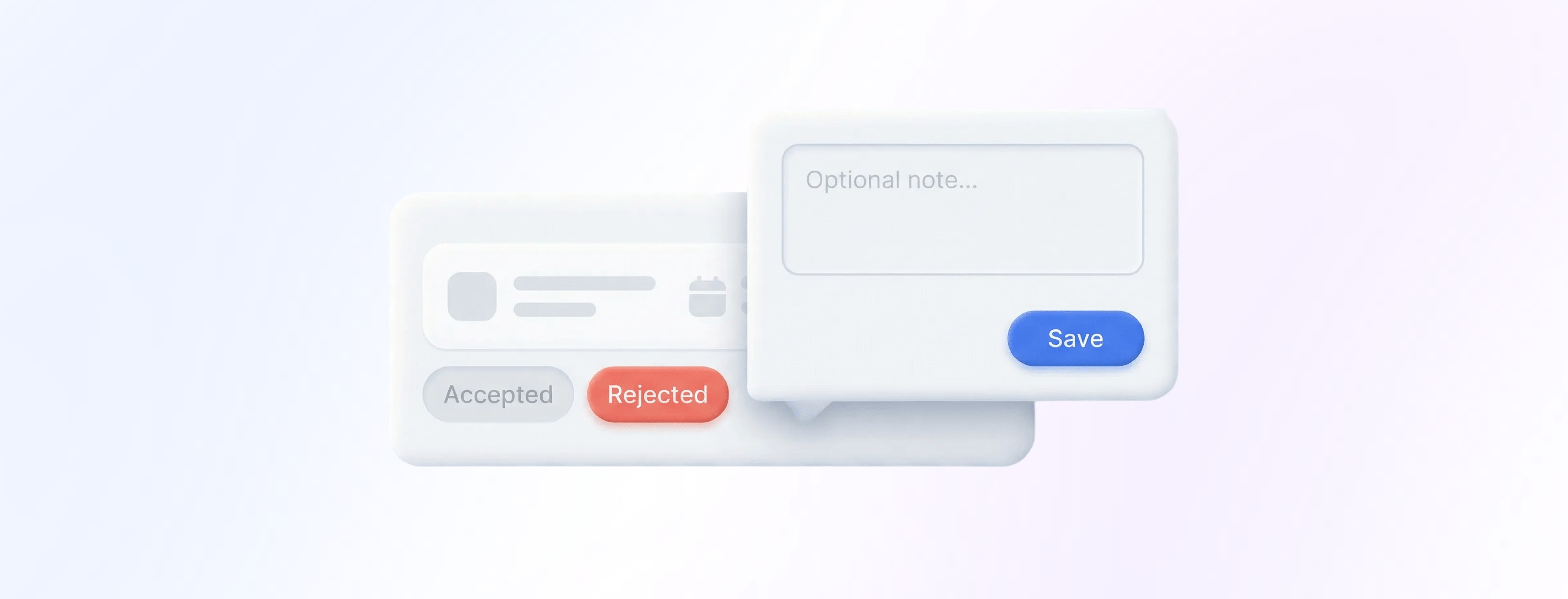
You can now add an optional custom note whenever you change a booking’s status. This note is included in the automatic status update email sent to the customer.❓ What it does
  • Shows a pop-up after every booking status change where you can optionally enter a short message.
  • Inserts your message into the status change email that is automatically sent to the customer.
  • Helps you add context for the status change without rewriting the full email.
  • Encourages concise notes (no greetings or formal sign-offs), focused only on the reason or helpful next steps.
This makes customer communication clearer and more human, especially in sensitive moments like cancellations or rejections. It also reduces follow-up questions because customers immediately understand the “why”.💡 ExampleA customer’s appointment is declined due to illness. When you change the status, you add: “I’m sick today and can’t make it. Please rebook for next week.” The customer receives the usual status email plus your context.More information can be found in the helpcenter article: https://docs.anny.co/en/articles/530149-let-s-get-started-courses-workshops-events
New Feature

Bulk reschedule or cancel bookings for a session

You can now reschedule or cancel an entire session and automatically apply the change to all matching bookings, including customer communication. This removes manual effort when managing irregular, bookable sessions like semester courses.❓ What it does
  • When you change a session time (reschedule) in the Admin Calendar (Planner mode), all bookings that exactly match that session’s time are moved accordingly.
  • When you manually cancel a session in the Admin Calendar (Planner mode), all bookings that exactly match that session’s time are declined accordingly.
  • When you change sessions via Resource settings > Availability > Sessions, the same automation applies.
  • If a session’s blocked resources change (for example a different room or a different trainer gets assigned), affected bookers are automatically informed.
  • Only bookings with the exact same start and end time as the session are included (no overlapping bookings and no bookings fully inside the time window).
Session changes that used to take many manual steps per booking now happen in one action, with consistent updates and communication. This is especially valuable for resources with irregular schedules where each session is booked as an exact time slot.💡 ExampleA university runs a semester course with weekly sessions that are booked per session. If the instructor needs to move next Tuesday’s session from 10:00 to 11:00, you change the session once and all bookings for that exact 10:00 to 11:00 slot are automatically shifted and communicated.More information can be found in the helpcenter article: https://docs.anny.co/en/articles/530149-let-s-get-started-courses-workshops-events
New Feature

Show available slots in the calendar

Your booking calendar now shows available timeslots for multi-bookable offers even when no one has booked yet. Customers can also add these slots straight to the cart from the calendar.❓ What it does
  • Displays available timeslots across all calendar views in the booking area (no changes in admin).
  • Works for resources with available quantity > 1, such as courses, events, desks, and study places.
  • Shows upcoming sessions even with 0 bookings, so your calendar is complete from day one.
  • Adds a “+” button on eligible slots so customers can add a date to their cart in one click.
  • Makes it easy to plan multiple bookings and complete them in a single checkout.
This removes the “empty calendar” problem for courses and events and helps customers understand what’s coming up without needing an existing booking first. It also shortens the path from discovery to checkout.💡 ExampleA studio schedules courses for the next few weeks and hasn’t received any bookings yet. Customers can still see every upcoming session highlighted in the calendar and add each session with one click via “+”, then book everything together in one checkout.More information can be found in the helpcenter article: https://docs.anny.co/en/articles/530149-let-s-get-started-courses-workshops-events
New Feature

Minimum bookings per session with auto-cancellation

You can now set a minimum number of bookings per session and automatically cancel the session if the threshold isn’t met by a defined cutoff time. This removes manual checks, cancellations, and refund handling.❓ What it does
  • Set a minimum booking count per session (e.g., 10 participants).
  • Define a cutoff window before the session starts (e.g., 24 hours).
  • If the minimum isn’t reached by the cutoff, the session is automatically cancelled and all existing bookings are declined.
  • If customers already paid, payments are automatically refunded.
  • Admins get notified 1 hour before the automatic cancellation so they can still run the session by lowering the minimum.
  • Admins also get notified when the minimum is reached.
  • Customers receive automated messages about cancellations and refunds.
This keeps your schedule reliable and profitable without constant monitoring. It also creates a consistent, transparent experience for customers through automated communication and refunds.💡 ExampleYou offer a Reformer Pilates class with a minimum of 10 participants. 24 hours before the class, only 9 spots are booked. anny automatically cancels that class, notifies all booked customers, and triggers refunds if payments were made. If you still want to run it, you can lower the minimum after the admin pre-notification and the class stays active.More information can be found in the helpcenter article: https://docs.anny.co/en/articles/530149-let-s-get-started-courses-workshops-events
New Feature

Weekly view in the booking calendar

You can now switch your booking calendar from a day view to a week view on the booking page. Calendar entries also inherit each resource’s color, making schedules easier to scan at a glance.❓ What it does
  • Adds a Week view toggle next to the existing Day view on the Explore booking page calendar
  • Displays bookings and blockers using the resource color (configured per resource in the admin)
  • Helps you see availability across multiple days without jumping between dates
  • Keeps the admin area unchanged (only the booking page calendar experience is updated)
This update makes it significantly faster to understand what’s available, when, and where, especially for businesses running schedules across an entire week. It also reduces confusion by visually differentiating resources instead of showing everything in one default color. Learn more in the help center article: https://docs.anny.co/en/articles/530149-let-s-get-started-courses-workshops-events💡 ExampleA Pilates studio offers classes spread across the week. With Week view, customers can instantly spot which classes fit their schedule, and the studio team can quickly check room availability for the whole week because each room’s bookings show in its own color.
Improvements
You can now decide whether a legal document must be confirmed just once or at every booking. This gives you more control over compliance requirements that depend on the specific booking context.❓ What it does
  • Adds a new toggle option “Ask every time” when creating or editing a legal document in the admin area (default: off).
  • When enabled, end customers must confirm/sign this document again with each new booking checkout.
  • When disabled (default), the existing behavior remains: one-time confirmation is enough.
This helps you meet stricter legal or operational requirements without manual follow-ups or chasing missing signatures. It also reduces risk by ensuring customers actively acknowledge the document for every relevant transaction.💡 ExampleIf you have a liability waiver that must be signed for each appointment, enable “Ask every time”. From then on, the waiver is requested at every checkout, even for returning customers.
Improvements

Enhanced subscription management
We’ve expanded subscription management in anny to give admins more flexibility and a smoother recurring experience. Alongside new controls for cancellations, pricing, and pauses, we’ve also strengthened the reliability of recurring subscriptions.What it does
  • Admins can cancel subscriptions up to 6 months in advance.
  • Dates for new subscriptions are displayed in a clearer, more human-friendly format (e.g. 01 - 31 instead of 01-01).
  • Admins can view and change the price mode (net/gross) per individual subscription.
  • Admins can schedule a subscription pause in advance.
  • Improved overall stability of the recurring logic, including:
  • Subscriptions now continue renewing reliably even when a minimum term is involved.
  • Planned subscriptions start more consistently at their scheduled time.
  • Subscribers are removed from the Community more consistently after a subscription ends.
💡 ExampleIf a member requests a cancellation for the end of the season, you can schedule it months ahead and keep everything predictable for both your team and the subscriber.This update reduces manual follow-ups and helps you manage long-running memberships with confidence.
Improvements

ISO 27001 certification for anny
anny has long operated GDPR-compliant and on an ISO 27001-certified infrastructure.
Now, anny as a company is also ISO 27001 certified, confirming that our Information Security Management System (ISMS) meets an internationally recognized standard.
In addition, anny is now ISO 27017 certified, covering cloud-specific security controls.
What it does
  • Confirms that anny operates an audited, company-wide Information Security Management System (ISMS) based on ISO 27001
  • Confirms that cloud-specific security controls are audited and certified in line with ISO 27017
  • Builds on existing GDPR-compliant processes and an already ISO 27001-certified infrastructure
  • Ensures that confidentiality, integrity and availability of your data are managed through standardized controls
  • Demonstrates that technical and organizational measures (TOMs) are systematically implemented and reviewed on a regular basis
  • Simplifies internal security and privacy approval processes, especially for CISOs, IT security teams and Data Protection Officers
  • Reduces procurement friction where an ISO 27001 certified SaaS provider is a mandatory requirement (e.g. KRITIS, large enterprises)
  • Supports the implementation of Clean Desk & Clear Screen policies through secure, shared workplace scenarios (for example via check-ins and automatic logout)
  • Strengthens your compliance posture in view of upcoming regulations such as NIS2 and associated national laws from 2026 onward
This certification makes it easier and faster for enterprise organizations to adopt anny while meeting strict security and compliance requirements.
With anny’s ISO 27001 and ISO 27017 certifications, security and data protection teams can rely on an audited framework that formally confirms established security practices instead of conducting lengthy ad hoc reviews.
New Feature
You can now track where bookings, subscriptions, and booking packages come from using UTM parameters on your anny booking page. Create trackable links and see attribution directly in the relevant records and exports.What it does
  • Lets admins generate trackable booking page links with utm_source, utm_medium, and utm_campaign
  • Provides an integrated link builder, with the option to add parameters manually
  • Stores attribution when a customer completes a booking, subscription, or booking package within 14 days after clicking a UTM link
  • Shows a new “Attribution” panel in: Booking details, subscription details & booking package details
  • Adds attribution fields to tables and exports: Bookings table and export, subscriptions table and export & booking packages table and export
💡 ExampleCompare bookings coming from your newsletter vs. Instagram posts by using separate UTM links for each channel.This makes it easier to understand which channels and campaigns drive revenue, without guessing or manual tagging.Learn more in the helpcenter article here: https://docs.anny.co/en/articles/520588-utm-tracking
Improvements

VAT rates for price modifiers

You can now assign a dedicated VAT rate to each price modifier. If no VAT rate is selected, the price modifier automatically uses the VAT rate of the Service or booking option.What it does
  • Adds a new field “VAT rate” in the price modifier detail view.
  • Lets you set a different VAT rate per price modifier, independent from the Service/booking option.
  • Defaults to the Service/booking option VAT rate when the field is left empty.
  • Helps you separate fixed price components (e.g., fees, packages, cleaning) for clearer invoicing and tax reporting.
💡 ExampleA ticket includes a drink flat rate with a different VAT rate, which can now be shown as its own line item with the correct VAT.This makes invoices more accurate when one booking contains multiple taxable components.